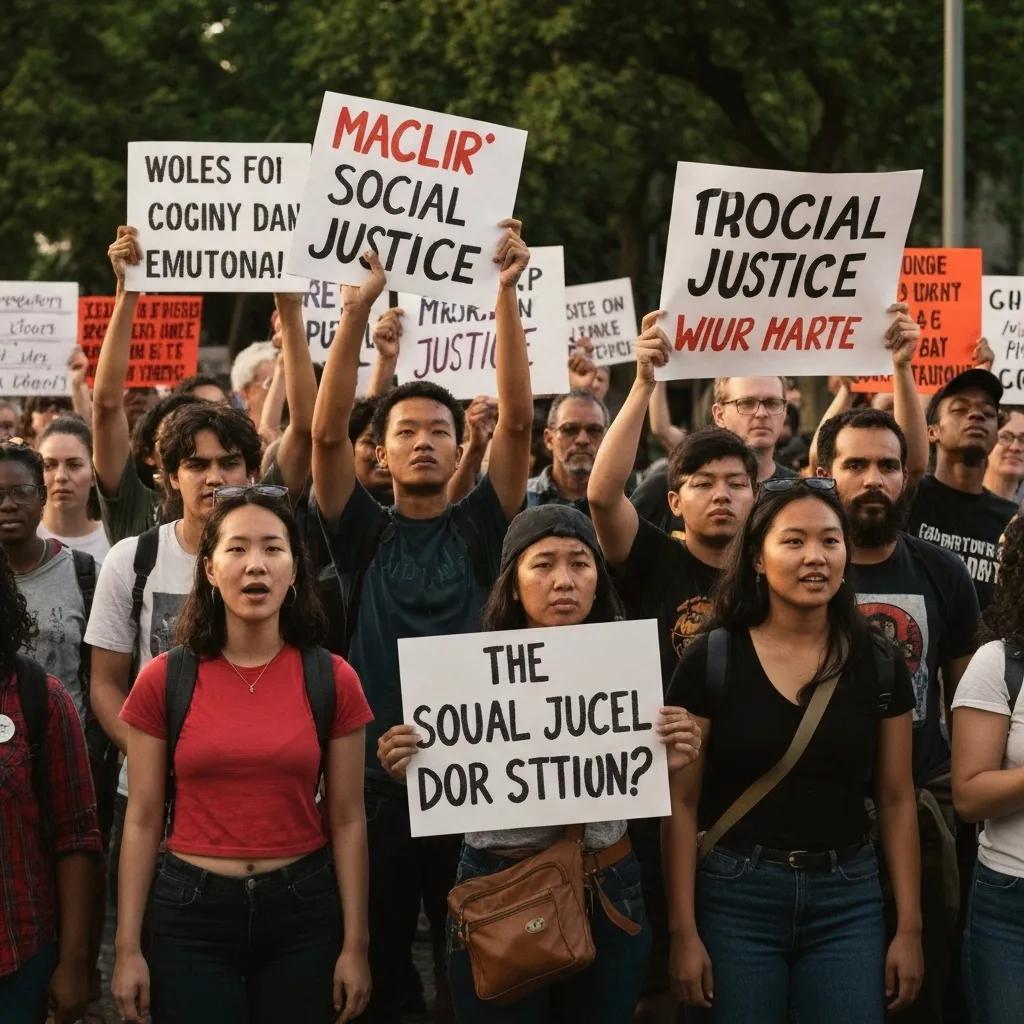
How Social Justice Movements Are Transforming Communities Today Through Impact and Technology
Millions of advocates are driving change as social justice movements in the community tackle inequality, strengthen cohesion, and leverage technology to magnify their voices. These efforts address systemic challenges—from racial injustice and environmental degradation to gender equality and disability rights—while harnessing digital tools for secure collaboration. In this article, you will discover:
- Core movements reshaping society and how intersectionality enriches advocacy.
- The mechanisms through which grassroots action and digital organizing deliver transformation.
- The pivotal role of technology, DevSecOps practices, and open source in enabling secure, transparent activism.
- Real-world examples of youth-led campaigns and ethical tech innovations.
- Strategies for building inclusive, sustainable solutions that blend community needs with robust development practices.
With insights into both movement dynamics and secure platform design, this guide equips developers, organizers, and decision-makers to amplify impact while fostering trust and transparency.
What Are the Current Social Justice Issues and Movements Shaping Communities?
Social justice issues encompass systemic inequalities and collective efforts to address them, driving community resilience through targeted advocacy and policy change. For example, protests against police brutality illustrate how organized campaigns can prompt legislative reforms and community healing. Recognizing these core movements reveals the landscape in which technology and secure collaboration amplify progress.
Which Key Social Justice Movements Are Driving Change Today?
The most influential movements today unite around distinct yet interlinked goals to improve societal conditions:
- Racial Justice: Promotes equal treatment and anti-discrimination policies for historically marginalized groups.
- Environmental Justice: Aims to ensure fair access to a healthy environment and prevent disproportionate pollution impacts.
- Gender Equality: Seeks to close pay gaps and protect reproductive rights.
- Disability Rights: Advocates for accessibility and inclusive policy.
- LGBTQ+ Rights: Works to secure legal protections and social acceptance.
Communities engaging with these movements often collaborate across causes, forming coalitions that strengthen collective bargaining power and shared learning for continued advancement.
How Do Environmental, Racial, Gender, and Disability Rights Movements Differ?
Movements vary in focus, strategies, and target outcomes based on their core issues and affected populations. The following comparison outlines these distinctions.
| Movement | Primary Focus | Common Strategy |
|---|---|---|
| Environmental | Pollution reduction and climate equity | Community monitoring and policy lobbying |
| Racial Justice | Dismantling systemic racism | Protests, legal challenges, education |
| Gender Equality | Pay equity and bodily autonomy | Legislative advocacy and awareness |
| Disability Rights | Accessibility and inclusion | Design standards and legal frameworks |
Each approach contributes unique strengths—policy change, public awareness, or design innovation—that converge in broader intersectional efforts to reinforce overall social equity.
What Role Does Intersectionality Play in Modern Social Justice Advocacy?

Intersectionality recognizes that individuals experience overlapping forms of disadvantage, requiring advocacy strategies that address multiple axes of identity simultaneously. By integrating race, gender, class, sexuality, and ability considerations into campaign design, organizers develop more inclusive solutions and cultivate solidarity across diverse groups. Embracing intersectionality enhances movement resilience by ensuring no one is left behind, which in turn fosters a holistic transformation of community structures.
How Do Social Justice Movements Impact Communities and Drive Transformation?
Social justice movements transform communities by challenging power structures, galvanizing civic participation, and creating new resource networks. For instance, community-led clean-up campaigns paired with local policy revisions can reduce pollution and bolster public health. These mechanisms of change inspire deeper civic engagement and continuous improvement.
What Are Examples of Community Activism Creating Social Change?
Community activism manifests in varied initiatives that respond directly to local needs:
- Neighborhood food cooperatives improving access to healthy meals.
- Anti-eviction coalitions negotiating rent freezes.
- Urban gardening projects reducing food deserts.
- Mutual aid networks providing emergency support during crises.
Such grassroots efforts demonstrate how collective action can deliver tangible benefits and catalyze policy adjustments, laying groundwork for broader systemic change.
How Do Grassroots Movements Empower Local Communities?
Grassroots movements empower locals by fostering shared leadership, building skill-sharing networks, and leveraging existing cultural strengths. When residents co-design solutions—such as community mediation programs or youth mentorship circles—they gain ownership over outcomes and develop sustained capacity for addressing future challenges. This empowerment loop fuels ongoing transformation.
What Are the Differences Between Traditional and Digital Community Organizing?
Traditional organizing relies on in-person meetings, printed flyers, and door-to-door outreach, while digital organizing uses social media, online petitions, and virtual events. Both methods share core principles of mobilization and relationship building, but digital channels accelerate message spread, lower participation barriers, and enable real-time coordination across geographies. Integrating both approaches maximizes reach and fosters inclusive engagement.
What Is the Role of Technology in Social Justice Activism Today?
Technology serves as both amplifier and enabler for justice causes, transforming individual voices into collective movements through rapid communication and data-driven campaigns. For example, secure messaging apps allow organizers to coordinate without risk of surveillance, while analytics platforms guide resource allocation for maximum impact.
How Does Digital Activism Amplify Social Justice Causes?
Digital activism amplifies causes by extending reach to global audiences, enabling viral awareness campaigns, and facilitating peer-to-peer fundraising. Hashtags and live-streamed events transform local protests into worldwide movements, promoting solidarity and attracting media attention. This amplification increases pressure on decision-makers to respond.
The Power of Social Movements: Activism in the Age of Connectivity
This research explores how social movements leverage digital connectivity for advocating change, justice, and equality, highlighting the transformative shift in activism due to online platforms and global networks. It emphasizes the empowering effect of digital tools in democratizing activism and expanding its reach.
This research directly supports the article’s discussion on how technology amplifies social justice causes and transforms individual voices into collective movements through rapid communication and data-driven campaigns.
Which Digital Tools and Platforms Support Community Organizing?

Community organizers rely on diverse tools to plan, communicate, and mobilize:
- Social media networks for awareness and recruitment.
- Online petition platforms for rapid signature collection.
- Encrypted messaging apps for secure coordination.
- Crowdfunding sites for resource gathering.
These tools enhance efficiency and engagement, turning individual supporters into active participants in collective campaigns.
How Can Technology Address Challenges Like Surveillance and Misinformation?
Robust security measures—such as end-to-end encryption, anonymization protocols, and transparent audit logs—help protect activists from surveillance and reprisals. Concurrently, decentralized verification networks and open-source fact-checking platforms combat misinformation by exposing false narratives. Integrating these capabilities builds trust among participants and stakeholders.
How Does DevSecOps Enable Secure and Transparent Digital Activism?
DevSecOps integrates security practices into every stage of software development, ensuring advocacy platforms remain resilient against threats while preserving transparency. By automating vulnerability scanning and embedding compliance checks, campaigns can deploy tools quickly without sacrificing safety.
DevSecOps: Principles, Tools, and Best Practices [2025 Guide]
This guide outlines that DevSecOps integrates security into every phase of the software development lifecycle, emphasizing automation, continuous integration of security measures, and a culture of shared responsibility. It aims to proactively identify vulnerabilities, reduce risks, and ensure compliance for faster, more secure software delivery.
This directly verifies the article’s claims about DevSecOps integrating security practices into software development to ensure resilient, transparent advocacy platforms and its principles enhancing reliability and accountability in technology-driven campaigns.
What Are DevSecOps Principles and Their Benefits for Social Justice Projects?
DevSecOps emphasizes continuous integration, continuous delivery, security automation, and collaborative workflows. These principles empower social justice projects to:
- Rapidly iterate on advocacy apps with built-in security checks.
- Maintain transparent development histories that build community trust.
- Scale digital tools efficiently to accommodate surges in participation.
How Does Secure Collaboration Enhance Activist Efforts?
Secure collaboration platforms coordinate distributed teams through role-based access controls, encrypted repositories, and audit trails. Activists can share resources, track progress, and manage contributions without exposing sensitive information. This structured cooperation amplifies impact by reducing friction and minimizing risk.
What Are Examples of Open Source Tools Developed with DevSecOps for Social Good?
Open source projects underpinned by DevSecOps best practices include encrypted messaging frameworks, civic data visualization libraries, and mobile apps for rights reporting. These tools illustrate how transparent development processes—complete with automated testing and security governance—produce robust solutions that communities can audit, adapt, and trust.
How Is Open Source Software Driving Collaborative Innovation for Social Justice?
Open source software promotes transparency, lowers barriers to entry, and enables collective improvement, aligning with the ethos of community-driven activism. Shared code repositories allow diverse contributors to enhance features, fix vulnerabilities, and localize tools for specific contexts.
Why Is Open Source Important for Transparency and Community Empowerment?
Open source ensures that anyone can inspect code, verify security claims, and propose enhancements. This openness builds confidence in digital platforms and invites active participation from technical and non-technical stakeholders alike, thereby democratizing technology development.
How Do Activists Use Open Source Platforms to Build Advocacy Tools?
Activists leverage open source version control systems to coordinate development, track changes, and manage releases. They adapt existing libraries for data collection, create localization plugins to support multiple languages, and integrate APIs for seamless cross-platform communication. These practices accelerate innovation while maintaining transparency.
What Are Best Practices for Collaborative Development in Social Justice Initiatives?
Effective collaborative development includes establishing clear contribution guidelines, implementing code reviews, automating security and quality checks, and nurturing inclusive governance models. By codifying policies and providing mentorship, projects remain sustainable and welcoming to new contributors, ensuring continuous refinement of advocacy tools.
What Are Real-World Case Studies of Technology Transforming Social Justice Movements?
Examining case studies reveals how secure platforms and collaborative workflows translate into measurable gains for diverse campaigns. These narratives illustrate the interplay between strategy, technology, and grassroots energy.
How Have Secure Digital Platforms Supported Racial and Environmental Justice Campaigns?
Encrypted mapping applications have enabled environmental justice groups to document pollution hotspots, while secure survey tools collect testimonies from racial justice advocates without risking participant safety. These platforms simplify evidence gathering and empower legal teams to press for policy reforms grounded in community-verified data.
What Lessons Can Be Learned from Youth Activism Leveraging Technology?
Youth activists harness social media for networked solidarity and use low-code development frameworks to build petition portals virtually overnight. Their experiments highlight rapid prototyping, nimble outreach tactics, and a healthy emphasis on design accessibility—practices that adult-led organizations can adopt to stay agile and engaging.
How Do Ethical Tech Practices Influence the Future of Social Justice Advocacy?
Prioritizing data privacy, consent, and algorithmic fairness from project inception shapes resilient tools that protect vulnerable populations. Ethics-driven development fosters long-term credibility, ensuring that technology remains a force for good rather than an instrument of harm.
How Does Technology Affect Social Justice in Development?
This article emphasizes that technology can either bridge or widen social justice gaps in development, depending on its ethical and inclusive application. It stresses the importance of equitable access, responsible innovation, and human-centered development to empower marginalized communities and promote equality.
This supports the article’s focus on ethical tech practices, secure platform design, and the importance of technology in addressing systemic inequalities while ensuring equitable access and preventing new forms of exclusion.
How Can Communities and Developers Build Ethical, Inclusive, and Sustainable Social Justice Solutions?
Designing solutions for social impact requires weaving ethical considerations, inclusive design, and sustainability into every phase—from ideation through maintenance. Such an approach delivers platforms that respect dignity and adapt over time.
What Is the Importance of Ethical Technology Development in Social Justice?
Ethical technology development ensures transparency in data handling, prevents algorithmic bias, and respects user autonomy. By adopting principles like “privacy by design” and community-driven requirements gathering, organizations can reinforce trust and promote equitable access.
How Does Intersectionality Inform Inclusive Digital Advocacy Strategies?
Integrating intersectional analysis into feature planning encourages tools that accommodate diverse needs—such as adjustable text size for accessibility or multilingual interfaces for linguistic inclusion. This attention to nuance prevents exclusion and amplifies the experiences of those at multiple intersections of marginalization.
What Are Emerging Trends in Technology for Social Impact and Continuous Improvement?
Advances in decentralized identity, privacy-preserving analytics, and low-power edge computing promise to broaden access and reinforce security. Continuous monitoring frameworks and community feedback loops enable iterative enhancements, ensuring that advocacy platforms evolve in step with shifting social contexts.
Social justice movements thrive when communities combine grassroots passion with secure, transparent technology and collaborative development practices. By embracing DevSecOps principles and open source innovation, organizers and developers can co-create tools that empower every voice while safeguarding integrity. As intersectional, ethical approaches become standard, digital advocacy will continue to expand in reach and effectiveness—laying the foundation for lasting community transformation.
Frequently Asked Questions
How can individuals get involved in social justice movements?
Individuals can engage in social justice movements by participating in local advocacy groups, attending community meetings, and volunteering for organizations that align with their values. Online platforms also offer opportunities to join campaigns, sign petitions, and share information on social media. Educating oneself about the issues and supporting marginalized voices through allyship are crucial steps. Additionally, contributing to fundraising efforts or using skills in areas like graphic design or writing can help amplify the movement’s message.
What are the challenges faced by social justice movements today?
Social justice movements encounter various challenges, including political resistance, misinformation, and funding limitations. Activists often face backlash from those opposed to change, which can lead to increased scrutiny and surveillance. Additionally, the digital landscape presents issues like data privacy concerns and the spread of false narratives that can undermine efforts. Navigating these obstacles requires resilience, strategic communication, and the ability to adapt to rapidly changing circumstances while maintaining focus on core goals.
How do social justice movements utilize data in their campaigns?
Data plays a critical role in social justice campaigns by providing evidence to support advocacy efforts. Activists use data analytics to identify trends, measure impact, and inform decision-making. For instance, surveys can gather community feedback, while data visualization tools help present findings in an accessible manner. By leveraging data, movements can craft compelling narratives that resonate with stakeholders, enhance transparency, and drive policy changes based on factual insights rather than assumptions.
What role do youth play in social justice movements?
Youth are often at the forefront of social justice movements, bringing fresh perspectives and innovative approaches to activism. Their familiarity with digital tools allows them to mobilize quickly and effectively, using social media to raise awareness and build networks. Youth-led initiatives often focus on issues like climate change, racial equality, and mental health, reflecting their unique experiences and concerns. By engaging in activism, young people not only advocate for change but also inspire their peers and future generations to take action.
How can technology be used to foster community resilience?
Technology fosters community resilience by facilitating communication, resource sharing, and collaboration among residents. Platforms for mutual aid networks enable neighbors to support each other during crises, while social media can mobilize community responses to local issues. Additionally, data-driven tools can help identify community needs and track progress on initiatives. By leveraging technology, communities can strengthen their networks, enhance problem-solving capabilities, and build a collective response to challenges, ultimately leading to greater resilience.
What are some successful examples of technology-driven social justice initiatives?
Successful technology-driven social justice initiatives include platforms like “Change.org,” which empowers individuals to create and sign petitions for various causes, and “Crisis Text Line,” which provides mental health support via text messaging. Additionally, “Mapillary” allows communities to document and report local issues like infrastructure problems, enhancing civic engagement. These initiatives demonstrate how technology can amplify voices, facilitate collaboration, and drive meaningful change in addressing social justice issues.
Conclusion
Social justice movements are reshaping communities by leveraging technology and fostering collaboration to address systemic inequalities. By integrating ethical practices and intersectional approaches, these movements empower individuals and create sustainable solutions that resonate across diverse populations. Engaging with these initiatives not only amplifies voices but also drives meaningful change in society. Join the movement today and explore how you can contribute to a more equitable future.