
The Procedural Knowledge Extinction: How Boomer Retirement Drives the Skills Gap and What Organizations Can Do
Procedural knowledge extinction describes the accelerating loss of hands-on, “how-to” expertise as Baby Boomers retire, leaving critical workflows undocumented. This decline in tacit knowledge directly fuels the boomer skills gap and undermines operational continuity. In this concise guide, you will learn what procedural knowledge is, why its disappearance poses economic and operational risks, and how organizations—from small enterprises to global corporations—can capture, preserve, and transfer these skills. We’ll explore methods for identifying tacit know-how, best documentation practices, mentorship models, AI-powered tools (including those in Google Cloud and Workspace), and succession planning to future-proof your institutional memory.
What Is Procedural Knowledge and Why Is It Disappearing with the Boomer Generation?
Procedural knowledge is the ingrained, experience-based know-how that enables individuals to perform complex tasks without relying solely on manuals. This implicit skill differs from explicit knowledge—written instructions stored in documents or databases—because it resides in personal practice and instinct. As Boomers exit the workforce, their procedural memory extinction creates a void in “tribal wisdom” that seldom finds its way into formal records. Understanding this dynamic highlights the urgency of capturing these skills before they retire alongside their bearers.
Loss of ProceduralKnowledgeDuring Baby Boomer Retirements
Second, proceduralknowledgeencompassestacit knowledgethat is challenging to articulate andtransfer. Thisknowledgeis acquired throughexperienceand practice and is often embodied within the individual. As Baby Boomers retire, this proceduralknowledgefaces theriskof loss if it is not effectively captured and transferred to the subsequentgeneration.Knowledgeretention from older andretiringworkers: What do we know, and where do we go from here?, A Burmeister, 2016
How Does Procedural Knowledge Differ from Explicit Knowledge?
Below is a comparison of procedural versus explicit knowledge:
| Type of Knowledge | Documentation | Transfer Mechanism |
|---|---|---|
| Procedural (Tacit) Skills | Often unwritten, mental schemas | Observation, mentorship |
| Explicit Skills | Manuals, flowcharts, databases | Reading, formal training |
This table illustrates that while explicit knowledge travels easily through documents, procedural skills require interpersonal exchange and practice. Recognizing this distinction guides organizations toward suitable capture techniques.
Why Is Procedural Knowledge Critical for Organizational Success?
Procedural skills enhance efficiency, improve safety and maintain quality by ensuring that seasoned judgment and nuanced techniques inform everyday operations. When these skills vanish, productivity stalls, error rates increase and innovation suffers. Retaining procedural expertise sustains competitive advantage and supports continuous improvement across teams.
How Does Boomer Retirement Accelerate Procedural Knowledge Extinction?
Yes, the sheer scale of Baby Boomer retirement—over 10,000 per day in the U.S.—directly depletes the reservoir of organizational know-how. Without structured capture, each departure erases unique problem-solving approaches, informal shortcuts and experiential insights that new hires cannot replicate from textbooks. This demographic shift underlines the need for immediate, proactive knowledge management.
KnowledgeRetention fromRetiringBaby Boomers in Small Businesses
Baby BoomerRetirement: Strategies forKnowledgeRetention of Explicit andTacit Knowledgein Small Businesses
Baby boomersretiring: Strategies for small businesses retaining explicit andtacit knowledge, 2016
What Are the Economic and Operational Risks of Institutional Knowledge Loss?
Institutional knowledge loss leads to increased downtime, higher error rates and stalled projects. It also drives recruitment and training costs upward as organizations scramble to fill gaps. Quantifying these risks clarifies why preserving procedural memory is a strategic imperative.
How Does the Aging Workforce Create a Knowledge Gap?
An aging workforce concentrates critical expertise within a shrinking cohort. As senior employees phase into retirement, younger staff lack mentors who can convey nuanced techniques. This mismatch amplifies onboarding times and amplifies the boomer skills gap across functions such as manufacturing, healthcare and skilled trades.
What Are the Financial Costs of Losing Procedural Skills?
Research indicates that inefficient knowledge sharing costs large enterprises an average of $47 million annually, while Fortune 500 firms lose over $31 billion due to undocumented workflows. These figures underscore financial exposure and justify investment in knowledge capture initiatives.
Which Industries Are Most Affected by Procedural Knowledge Extinction?
Key sectors facing acute procedural memory decline include:
- Manufacturing and heavy industry, where equipment maintenance relies on veteran technicians
- Healthcare, where clinical judgment and procedural protocols evolve through experience
- Skilled trades, where apprenticeships traditionally transmit nuanced techniques
These industries must prioritize knowledge preservation to maintain operations and safety standards.
How Can Organizations Capture and Preserve Tacit Procedural Knowledge?
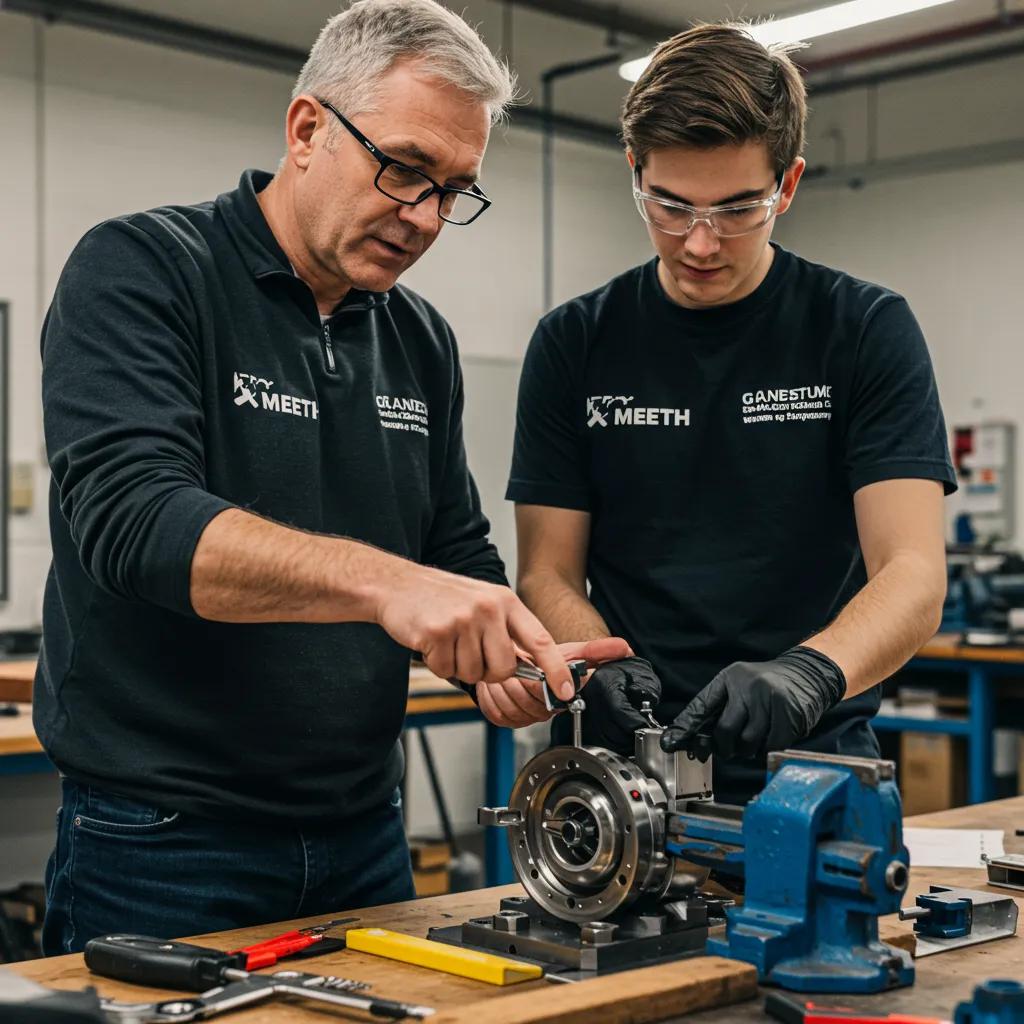
Capturing tacit expertise demands structured elicitation, robust documentation and enabling technology to store and retrieve these insights effectively.
What Methods Identify Critical Tacit Knowledge Before It’s Lost?
Organizations use expert interviews, job-shadowing sessions and cognitive task analyses to uncover undocumented routines. These methods surface decision-making heuristics and contextual factors that define expert performance.
How Can Documentation Best Practices Preserve Procedural Skills?
Effective documentation translates tacit know-how into searchable formats. The following template framework supports capturing essential details:
| Document Component | Description | Example Entry |
|---|---|---|
| Task Overview | High-level purpose | Calibrating CNC machine for precision metal fabrication |
| Step-by-Step Actions | Sequential instructions | Level bed → Set feed rate → Test cut → Adjust settings |
| Expert Tips | Contextual insights | Reduce spindle speed when cutting stainless steel |
| Error Handling | Common pitfalls and mitigation steps | If vibration occurs, inspect tool holder alignment |
This structure ensures that complex, context-rich procedures remain accessible long after experts retire.
How Does Technology, Including AI, Support Knowledge Capture?
AI-powered transcription and summarization tools in Google Cloud and Vertex AI automate meeting note capture, extract procedural steps from recordings and generate structured how-to guides. Google Workspace’s collaborative documents and YouTube’s video hosting provide platforms for recording demonstrations, enabling searchable, multimedia knowledge repositories.
An AI Assistant for Automated Procedural Documentation
This thesis introduces a digital assistant framework engineered for real-time interaction with subject matter experts, facilitating the capture of proceduralknowledgeand its subsequent structuring into dynamic and adaptable manuals. The system operates via guided interactions, wherein experts articulate and demonstrate procedures. The assistant then extracts criticalinformationthrough structured dialogues, multimodaldataprocessing, and contextual refinement. By leveraging voice input, image capture, and motion tracking, the assistant organizes tasks into a structured format, ensuring the precise documentation of actions, tools, conditions, and best practices. The acquireddatais processed by a Python-based server and integrated into a Unity-based environment.
An AI-powered digital assistant framework for automated procedure documentation, 2023
What Are Effective Knowledge Transfer Strategies to Bridge the Skills Gap?
Bridging the boomer skills gap requires intentional programs that promote experiential learning and cross-generational collaboration.
How Do Mentorship and Reverse Mentorship Programs Facilitate Knowledge Sharing?
Mentorship pairs veterans with novices to transfer tacit skills through guided practice, while reverse mentorship leverages younger employees’ digital fluency to document and digitize workflows. These complementary approaches accelerate skill acquisition and preserve institutional memory.
How Can Cross-Generational Teams Improve Procedural Knowledge Transfer?
Forming teams that mix experience levels encourages real-time collaboration and peer coaching. Rotational assignments rotate juniors through veteran-led tasks, embedding tacit routines within daily operations and reinforcing retention through practice.
What Training and Onboarding Practices Support Procedural Skill Development?
Integrating experiential workshops, simulation exercises and peer-led shadowing sessions into onboarding embeds hands-on skills from day one. Structured curricula that blend e-learning modules with practical labs ensure that procedural knowledge transfers effectively to new staff.
How Can Organizations Future-Proof Their Procedural Knowledge with AI and Succession Planning?

Forward-looking strategies combine technology with workforce planning to sustain knowledge flows and adapt to evolving business needs.
What Role Does AI Play in Automating Procedural Knowledge Preservation?
AI systems automatically index meeting transcripts, tag process videos and generate searchable knowledge bases. Machine learning models can prompt experts to validate extracted procedures, ensuring accuracy and completeness in real time.
How Does Succession Planning Support Sustainable Knowledge Transfer?
Succession planning maps critical roles, identifies high-potential talent and aligns career pathways with targeted shadowing and training milestones. This structured approach embeds procedural expertise into talent development frameworks and mitigates retiree departures.
Why Is Building a Knowledge-Sharing Culture Essential for Long-Term Success?
A culture that rewards collaboration, open documentation and peer learning fosters continuous knowledge exchange. Leadership endorsement and performance metrics tied to knowledge contributions reinforce behaviors that sustain procedural memory across generations.
Effective preservation of procedural knowledge enhances operational resilience and cultivates innovation. By combining structured elicitation, best-in-class documentation, mentorship programs, AI-driven tools and robust succession planning, organizations can close the boomer skills gap and secure their most valuable assets—expertise and know-how—for the future.
Frequently Asked Questions
What are the best practices for documenting procedural knowledge?
Documenting procedural knowledge effectively involves creating clear, structured templates that capture essential details. Best practices include outlining task overviews, step-by-step actions, expert tips, and common pitfalls. Utilizing visual aids, such as flowcharts or videos, can enhance understanding. Regularly updating documentation to reflect changes in processes is crucial. Additionally, involving subject matter experts in the documentation process ensures accuracy and comprehensiveness, making it easier for new employees to learn and apply the knowledge effectively.
How can organizations encourage a culture of knowledge sharing?
Organizations can foster a culture of knowledge sharing by promoting open communication and collaboration among employees. Implementing regular team meetings, workshops, and brainstorming sessions encourages sharing insights and experiences. Recognizing and rewarding employees who contribute to knowledge sharing can motivate others to participate. Additionally, providing platforms for documentation and discussion, such as intranets or collaborative tools, can facilitate ongoing knowledge exchange. Leadership support is essential to reinforce the importance of knowledge sharing as a core organizational value.
What role does technology play in preserving procedural knowledge?
Technology plays a vital role in preserving procedural knowledge by providing tools for documentation, storage, and retrieval. AI-powered solutions can automate the capture of knowledge through transcription and summarization, making it easier to create searchable databases. Collaborative platforms allow employees to share insights and best practices in real-time. Additionally, video recording tools can document complex procedures visually, ensuring that tacit knowledge is accessible. By leveraging technology, organizations can create a robust knowledge management system that supports continuous learning.
How can organizations assess the impact of knowledge loss?
Organizations can assess the impact of knowledge loss by analyzing key performance indicators (KPIs) related to productivity, error rates, and project completion times. Conducting surveys and interviews with employees can provide insights into perceived knowledge gaps and their effects on operations. Additionally, tracking training costs and onboarding times can highlight the financial implications of knowledge loss. Regularly reviewing these metrics allows organizations to identify areas needing improvement and to develop targeted strategies for knowledge retention.
What strategies can be implemented for effective succession planning?
Effective succession planning involves identifying critical roles and mapping out career pathways for potential successors. Organizations should conduct talent assessments to identify high-potential employees and align their development with targeted training and mentorship opportunities. Creating shadowing programs allows successors to learn directly from experienced employees. Additionally, integrating knowledge transfer into performance evaluations ensures that knowledge sharing is prioritized. By proactively planning for succession, organizations can mitigate the risks associated with knowledge loss during retirements.
How can mentorship programs be structured for maximum effectiveness?
Mentorship programs can be structured for maximum effectiveness by pairing experienced employees with less experienced ones based on complementary skills and goals. Establishing clear objectives for the mentorship relationship helps both parties stay focused. Regular check-ins and feedback sessions can enhance the learning experience and address any challenges. Incorporating reverse mentorship, where younger employees share their digital skills, can also enrich the program. Providing resources and training for mentors ensures they are equipped to guide their mentees effectively.
Conclusion
Preserving procedural knowledge is essential for maintaining operational efficiency and competitive advantage as Baby Boomers retire. By implementing structured knowledge capture strategies, organizations can mitigate the risks associated with skills gaps and ensure continuity in critical workflows. Embracing mentorship, AI tools, and robust documentation practices will empower teams to thrive in an evolving landscape. Start taking proactive steps today to safeguard your organization‘s invaluable expertise and know-how.