The Procedural Knowledge Extinction: How AI Solutions Address the Skills Dying With the Boomers
Procedural knowledge extinction refers to the accelerating loss of hands-on expertise as experienced Baby Boomers retire without systematic knowledge transfer. This trend undermines productivity, innovation, and safety. This article explores how AI—particularly Google’s —captures, preserves, and disseminates experiential expertise. By leveraging Gemini’s personalized upskilling and integration with , organizations can mitigate this crisis and future-proof their workforce.
What Is Procedural Knowledge Extinction and Why Does It Matter?
Procedural knowledge extinction is the phenomenon where step-by-step, experience-based skills disappear from an organization as seasoned employees retire without adequate documentation or mentorship. This loss matters because these implicit competencies cannot be fully captured by manuals alone, leading to slower workflows, increased error rates, and reduced innovation capacity.
The mechanism driving this extinction includes retirement waves and insufficient knowledge capture. Without proactive measures, expertise gaps create safety risks and stall innovation. This establishes the imperative for deliberate knowledge transfer initiatives that combine human mentorship with AI-driven solutions.
What Defines Procedural and Tacit Knowledge?
Procedural knowledge comprises actionable, sequential skills—”how to” tasks—while tacit knowledge includes personal insights and intuitive decision-making. Together, they form the backbone of operational excellence.
How Does Boomer Retirement Accelerate Skills Loss?
Boomer retirement accelerates extinction when institutions lack formal mechanisms for capturing experience. With a significant portion of process-industry workers over age 55, organizations have a narrow window to digitize expertise, compounding knowledge gaps.
What Are the Consequences of Losing Procedural Expertise?
Losses manifest as production slowdowns, elevated defect rates, and stalled improvement initiatives. In high-stakes environments, safety incidents rise. Innovation languishes, and training costs skyrocket. Addressing these demands AI-enhanced capture and structured mentorship.
How Is the Skills Gap Widening Due to Generational Knowledge Loss?
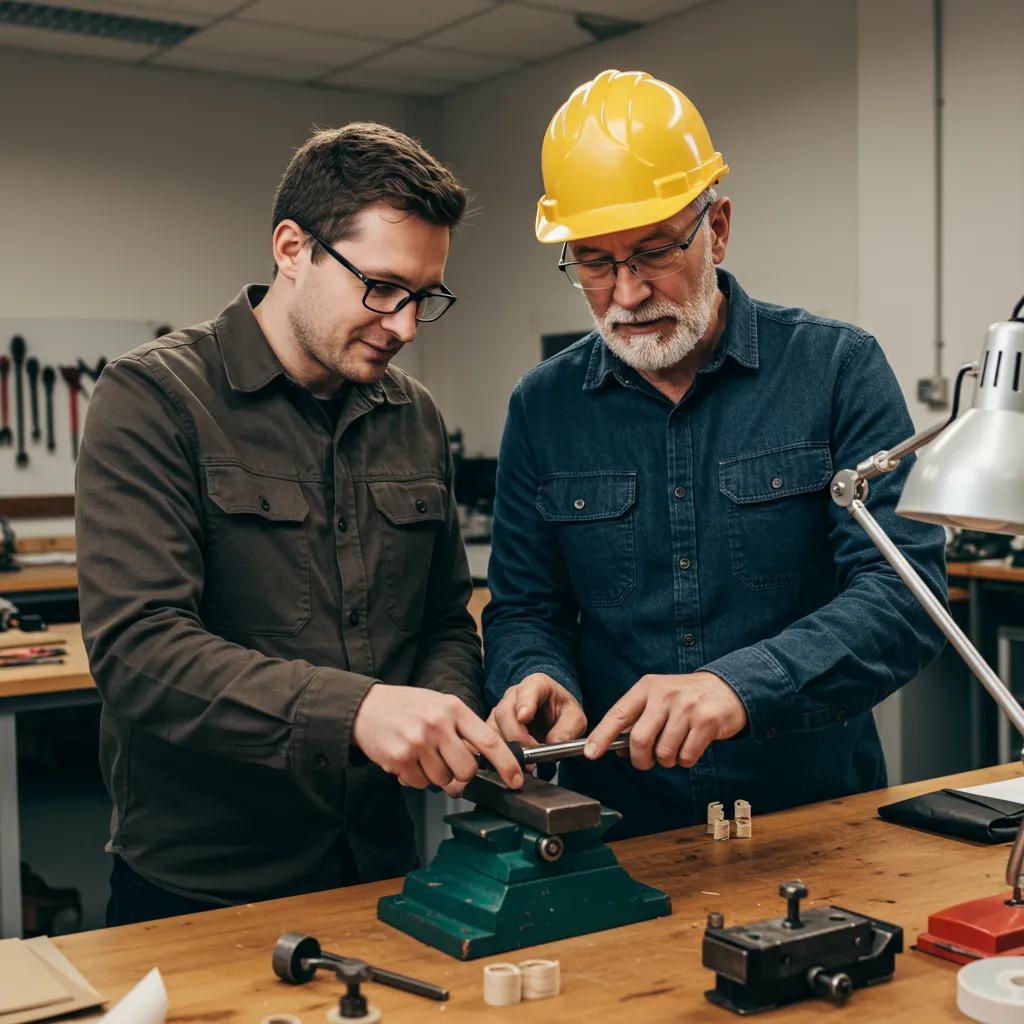
The skills gap widens as retiring Boomers take experiential wisdom with them, leaving incoming workers reliant on incomplete documentation. This mismatch delays project delivery and erodes competitive advantage.
Structural challenges include a digital divide, communication barriers, and undocumented processes. These factors create a chasm that traditional training cannot bridge without AI assistance to surface implicit knowledge.
What Are the Main Challenges in Transferring Tacit Knowledge?
Capturing tacit knowledge faces hurdles such as unarticulated expertise and reliance on informal channels. Communication styles differ, and digital literacy gaps hamper older experts from using documentation tools.
Which Skills Are Most at Risk of Extinction With the Boomer Generation?
Critical at-risk skills include legacy system maintenance, specialized craftsmanship, and nuanced quality control. Soft skills like conflict resolution also face disappearance without structured retention.
How Does the Skills Gap Affect Business and Economic Outcomes?
A widening gap translates to billions in lost productivity and unfilled roles. Companies face extended time-to-competence and diminished capacity to innovate. Economies suffer when talent shortages hamper growth.
How Can AI Capture and Preserve Tacit and Procedural Knowledge?
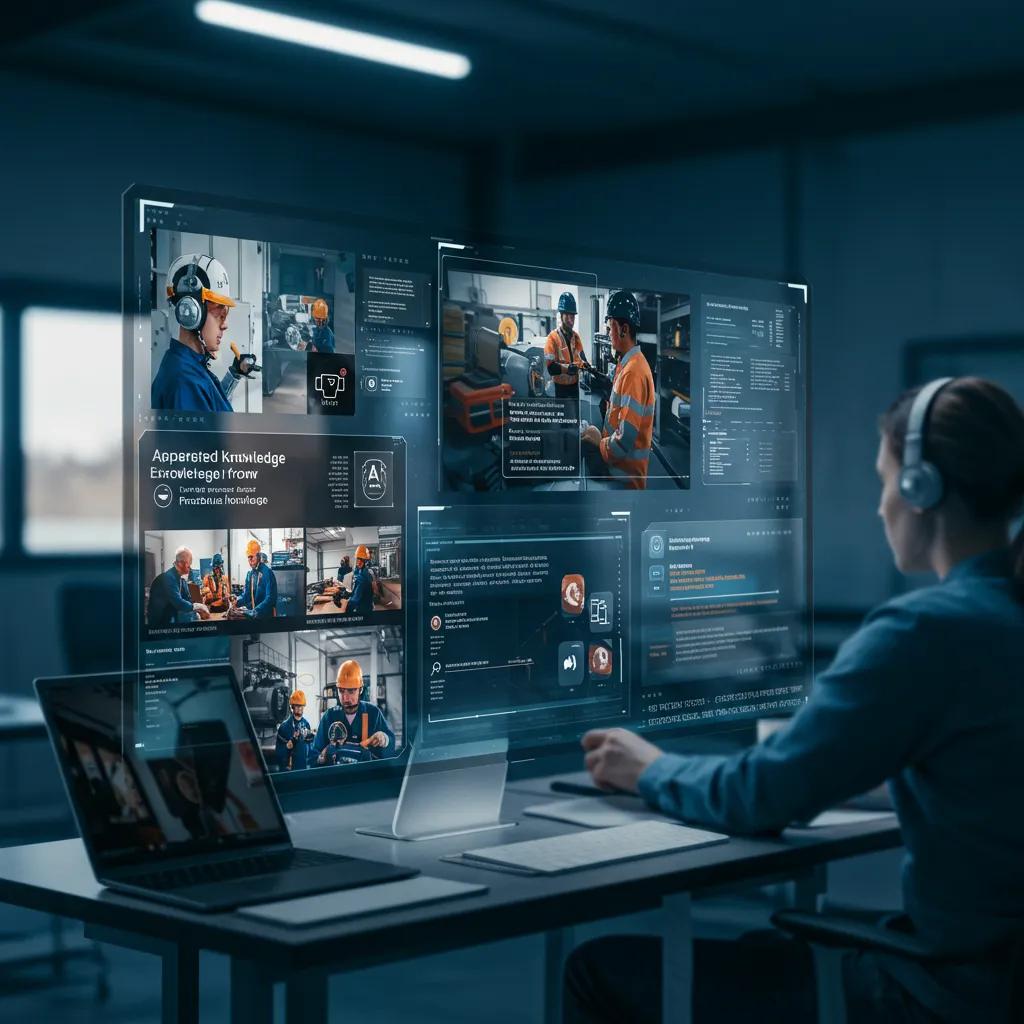
AI leverages multimodal inputs (audio, video, text) to record expert interviews and operational footage, transforming tacit know-how into searchable digital assets. Automated transcription, semantic tagging, and contextual summarization enable structured repositories.
By using natural language processing and computer vision, AI identifies key steps and best-practice variations, reducing reliance on informal mentoring and creating persistent training modules. The result is a living knowledge base that evolves, preserving expertise.
What Are the Benefits of Multimodal AI for Tacit Knowledge Capture?
Multimodal AI combines speech recognition, video analysis, and document parsing to produce rich, contextual records. It enables audio transcription, video segmentation, and textual summarization, integrating into cohesive training materials.
How Does AI Automate Documentation and Training Material Creation?
AI systems ingest raw recordings and generate structured process documents, interactive e-learning modules, and dynamic flowcharts. Automated templates ensure consistency, while generative models craft example scenarios and quiz questions, accelerating content production.
AI-Driven Adaptive IT Training for Enhanced Knowledge Retention
Research indicates that AI-driven adaptivetrainingcan significantly improveknowledgeretention by personalizinglearningexperiences and increasing learner engagement.Ai-driven adaptive it training: A personalized learning framework for enhanced knowledge retention and engagement, D Shanthi, 2025
What Role Does AI Play in Overcoming Knowledge Transfer Barriers?
AI bridges cultural and digital divides by providing conversational interfaces that adapt to varied proficiency levels. Virtual coaches deliver personalized guidance and facilitate peer-to-peer exchanges, fostering inclusive mentorship.
How Does Gemini Support Workforce Upskilling and Reskilling?
delivers personalized learning experiences by summarizing complex content, generating practice exercises, and offering real-time assistance within familiar productivity tools. Its multimodal design ingests text manuals, process videos, and audio interviews to craft tailored learning paths.
Integration with amplifies impact: Gemini can draft training emails in , generate process checklists in , analyze performance data in , and host interactive workshops in . These features accelerate competency development.
What Features Enable Personalized Learning Paths With Gemini?
Gemini’s AI crafts customized curricula by assessing existing knowledge and performance metrics. It offers summarization of manuals, scenario-based content generation, and adaptive quizzes, reducing training time and maximizing retention.
How Does Gemini Integrate With Google Workspace to Boost Productivity?
Within and , Gemini suggests context-aware responses and creates process templates. In , it analyzes skill-development metrics. Through , it facilitates live Q&A sessions, fostering interactive upskilling.
What Are the Measurable Benefits of AI-Powered Upskilling?
Organizations report up to 40 percent reduction in onboarding time, 30 percent improvement in decision-making speed, and sustained productivity gains. Continuous learning powered by AI leads to higher employee engagement and lower turnover.
What Are Effective Strategies for Intergenerational Knowledge Sharing Using AI?
Effective strategies combine structured AI capture with collaborative forums and mentorship frameworks. Establish knowledge hubs where AI-curated content lives, complemented by rotational mentoring cohorts. Encourage co-editing of process documents within , guided by AI suggestions.
Embedding AI tools into daily operations normalizes knowledge exchange. Regularly scheduled capture sessions, facilitated by Gemini’s prompts, ensure insights are recorded. Recognition programs reinforce a culture of sharing.
How Can AI Bridge the Digital Literacy Divide Between Generations?
AI-driven interfaces offer intuitive, conversational access to resources, reducing technical barriers. Voice-activated prompts and guided tutorials help less digitally fluent experts engage with knowledge platforms.
What AI Tools Support Mentorship and Knowledge Transfer Programs?
AI platforms provide virtual mentorship assistants that recommend relevant experts, schedule shadowing sessions, and track learning milestones, quantifying mentorship impact.
How Does AI Foster Innovation Through Age-Diverse Teams?
AI supports brainstorming by synthesizing diverse contributions, identifying emergent patterns, and suggesting novel solutions. This cross-pollination of insights accelerates ideation and drives breakthroughs.
What Is the Economic Impact of the Skills Gap and How Can AI Mitigate It?
The global talent shortage threatens trillions in unrealized output. AI mitigation strategies reduce training costs, accelerate skill acquisition, and unlock latent workforce potential. By capturing lost expertise, businesses avoid disruptions and sustain operational excellence.
Economic models show that every dollar invested in AI-enabled upskilling yields multiple dollars in productivity gains, reduced error rates, and faster time-to-market. These returns compound as AI continuously refines learning pathways.
How Does the Skills Gap Affect Business Productivity and Growth?
Skills shortages lengthen project timelines, inflate labor costs, and force reliance on external contractors. Lost institutional knowledge triggers costly rework and stifles innovation, eroding market position.
What Is the ROI of Implementing AI Solutions Like Gemini?
ROI analyses indicate payback periods under one year, driven by decreased training expenses and accelerated proficiency. Case examples reveal 25 percent higher throughput and 20 percent faster certification achievements with AI-automated training.
How Are Companies Successfully Using AI to Address Skills Shortages?
Leading organizations employ AI to capture veteran operators’ procedures, generate interactive micro-learning sessions, and deliver just-in-time support. These initiatives reduce downtime, boost safety, and cultivate a knowledge-driven culture.
How Can Organizations Implement AI Solutions to Preserve Procedural Knowledge?
Deploying AI for knowledge transfer begins with audit and planning: identify critical skills, select pilot domains, and define success metrics. Collect expert input via structured interviews and process recordings, then ingest that data into AI platforms like for semantic tagging and content generation.
Change management is crucial: train staff on AI tools, integrate capture routines into workflows, and establish governance for content updates. Iterative feedback loops refine models, ensuring knowledge assets remain accurate and relevant.
What Are the Key Steps to Deploy AI for Knowledge Transfer?
- Conduct a skills gap assessment to prioritize processes
- Engage veteran experts in recorded capture sessions
- Ingest recordings into AI for transcription and summarization
- Review generated materials, refine and validate content
- Integrate final assets into learning platforms and daily operations
This structured approach ensures scalable, sustainable knowledge retention.
How Should Companies Measure Success in AI-Driven Knowledge Preservation?
Key performance indicators include reduction in onboarding time, frequency of knowledge retrieval, decline in process errors, and mentor-mentee engagement rates. Tracking these metrics demonstrates AI’s impact.
What Best Practices Ensure Sustainable Skills Retention With AI?
Maintain living repositories by scheduling regular update cycles, incentivize contributions, and embed AI prompts into collaboration tools. Foster cross-functional review to keep content aligned with evolving practices.
Maintaining procedural expertise requires deliberate capture, continuous curation, and adaptive dissemination. By combining structured mentorship with multimodal AI capabilities—summarization, content generation, and seamless integration—organizations can safeguard vital know-how, close the boomer skills gap, and foster an innovative, future-ready workforce. Continuous measurement, iterative refinement, and a culture of sharing ensure that tacit and procedural knowledge remain vibrant assets.
Conclusion
By leveraging AI solutions like , organizations can effectively capture and preserve critical procedural knowledge, ensuring that valuable expertise is not lost as Baby Boomers retire. This proactive approach not only mitigates the skills gap but also enhances productivity and innovation across industries. Embracing these technologies fosters a culture of continuous learning and knowledge sharing, vital for future workforce resilience. Discover how our AI-driven tools can transform your knowledge retention strategies today.