
Pemmican Paradox: How Healthy Trends Harm Indigenous Communities and Impact Food Sovereignty
Introduction
The Pemmican Paradox exposes how celebrated “superfood” trends can inadvertently undermine Indigenous food sovereignty by driving appropriation, inflating prices, and disrupting cultural foodways while consumers pursue health benefits. Readers will discover the historical roots of this paradox, the mechanics of superfood commodification, real-world case studies, and practical steps for ethical allyship. This exploration connects the legacy of colonization, current health disparities, and market distortions to demonstrate why Indigenous communities deserve priority in food systems. Along the way, we’ll show how clear, respectful communication about these issues—supported by AI-powered writing tools—can amplify authentic Indigenous voices and guide conscious consumerism.
What Is the Pemmican Paradox and Why Does It Matter?
The Pemmican Paradox is the phenomenon in which global demand for Indigenous “superfoods” like pemmican exploits traditional food systems, erodes cultural practices, and marginalizes the very communities that created them. This dynamic redirects supply chains toward profit-driven markets, raising costs for local families and triggering cultural dislocation. For example, soaring international interest in wild rice and pemmican has priced out reservations that rely on these staples, threatening both nutritional security and heritage preservation.
In practice, the Pemmican Paradox hinges on three interrelated factors:
- Superfood Appropriation: Repackaging Indigenous foods without fair compensation or cultural credit.
- Market Disruption: External demand inflates prices, reducing local access and exacerbating food insecurity.
- Sovereignty Erosion: Traditional harvesting and sharing systems give way to industrial supply chains.
Understanding these elements sharpens our focus on ethical consumerism and Indigenous rights, setting the stage for deeper historical context.
How Do Healthy Food Trends Affect Indigenous Communities?
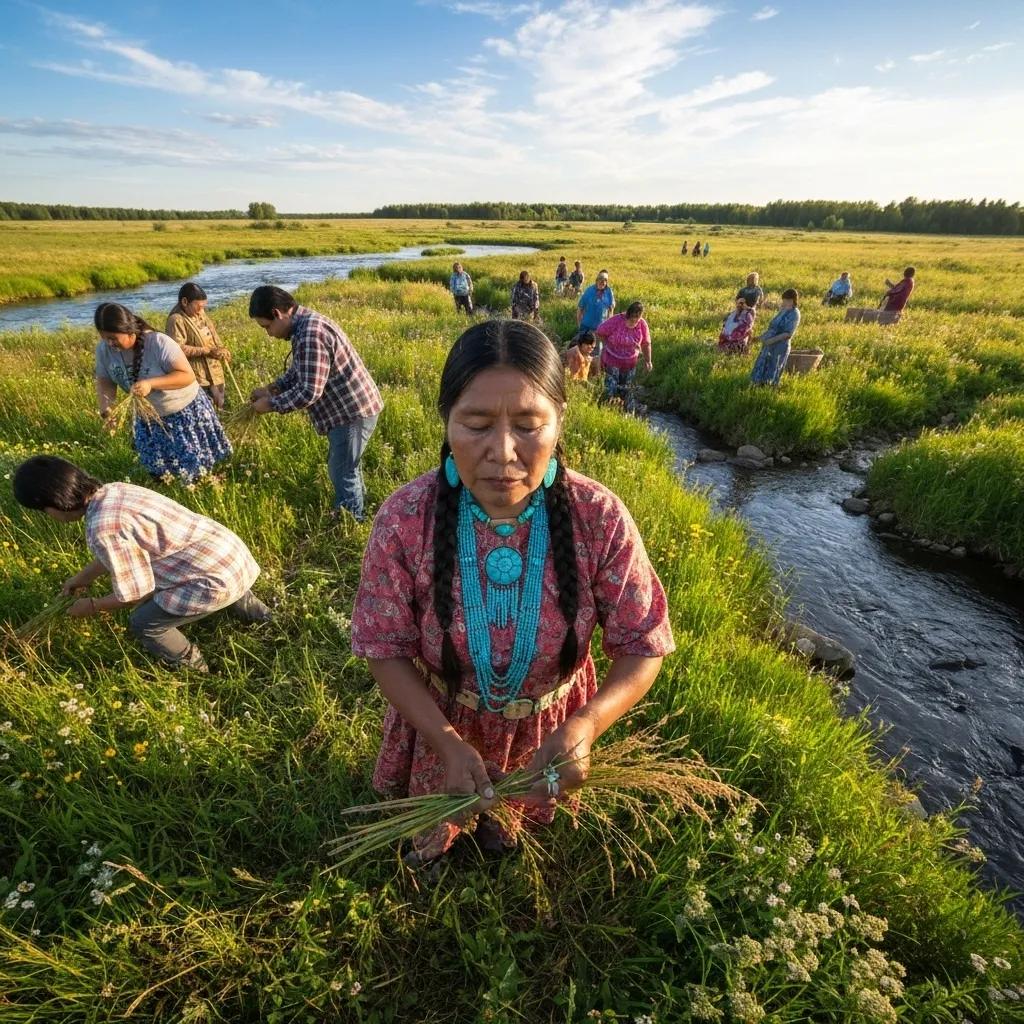
Healthy food trends can strain Indigenous food systems by redirecting supply away from communities that depend on traditional foods for nutrition, cultural continuity, and economic resilience. When international buyers harvest ancestral ingredients at scale, local families must compete with higher-paying markets, leading to:
- Price Inflation – Local cost spikes make staple foods unaffordable for community members.
- Access Reduction – Overharvesting limits availability for traditional ceremonies and daily meals.
- Cultural Dilution – Commercial branding often strips foods of their Indigenous names, stories, and practices.
These pressures compound existing social and economic challenges, making it critical to address the root causes of appropriation and ally with Indigenous sovereignty efforts.
What Are the Key Elements of the Pemmican Paradox?
Key elements of the Pemmican Paradox include the interplay of cultural appropriation, economic displacement, and health impact that arises when traditional foods enter global superfood markets. First, appropriation occurs as companies rebrand Indigenous staples for wellness trends without proper attribution or benefit sharing. Next, market forces pivot supply chains toward profit centers, sidelining subsistence harvests and inflating prices. Finally, communities face rising rates of diet-related illness when forced to rely on cheaper, processed alternatives. For instance, a spike in quinoa imports has diverted growers in the Andes, pushing some families toward nutrient-poor commodity foods.
These core elements fuel a cycle of dependency and cultural loss that undermines both nutrition and heritage, prompting the urgent need for educational and policy interventions.
Why Should Consumers Care About Indigenous Food Sovereignty?
Consumers should care about Indigenous food sovereignty because supporting culturally rooted food systems promotes environmental sustainability, community health, and social justice. By choosing ethically sourced foods, conscientious buyers:
- Empower Communities through fair trade and direct economic support.
- Preserve Biodiversity by valuing heirloom varieties and traditional ecological knowledge.
- Promote Health Equity by ensuring access to nutrient-dense staples that combat chronic disease.
Mindful purchasing decisions create demand signals that reward Indigenous producers rather than exploit them, forging a path toward restorative food systems.
How Has Colonization Disrupted Indigenous Food Systems and Health?
Colonization disrupted Indigenous food systems and health by seizing land, imposing commodity rations, and outlawing ecological practices, which fractured community resilience and triggered widespread nutrition-related illnesses. Early settlers replaced diverse harvests with wheat flour and salted meats, dismantling centuries of sustainable stewardship and sacred harvesting cycles.
This legacy of dispossession and dietary imposition laid the groundwork for modern health disparities and ongoing food insecurity among Native American populations.
What Were Traditional Indigenous Foodways Before Colonization?
Traditional Indigenous foodways encompassed sophisticated ecological knowledge, seasonal harvesting, and communal sharing that ensured balanced nutrition and cultural cohesion. Families gathered wild rice, hunted bison, and cultivated maize-beans-squash triads, all guided by spiritual protocols that honored reciprocal relationships with land. For example, wild rice harvests in the Great Lakes region followed strict harvest festivals that distributed resources equitably across clans.
These practices sustained both physical health and social bonds, setting the standard for resilient, place-based food systems.
How Did Colonization Introduce Commodity Foods and Food Insecurity?
Colonization introduced commodity foods and food insecurity by forcing relocation to reservations, issuing government-supplied rations of flour and lard, and outlawing traditional hunting and gathering, which left communities nutritionally vulnerable. Mechanically processed staples replaced diverse, micronutrient-rich diets, leading to hunger cycles when shipments arrived late or supplies ran out.
This shift deprived many Indigenous families of safe, reliable access to culturally significant foods, driving dependence on food banks and emergency assistance that rarely honored dietary traditions.
What Are the Health Disparities Linked to Disrupted Food Systems?
Disruption of Indigenous food systems has contributed to chronic health disparities by replacing traditional diets with high-fat, high-sugar processed foods, increasing rates of diabetes, obesity, and cardiovascular disease. Data illustrate striking gaps:
| Health Indicator | Rate Among Indigenous Peoples (%) | U.S. Average (%) |
|---|---|---|
| Type 2 Diabetes Prevalence | 14.9 | 7.2 |
| Obesity Rate | 40.4 | 30.1 |
| Food Insecurity | 25.4 | 13.8 |
Health Disparities and Indigenous Food Systems
Research indicates that Native American adults face significantly higher rates of diagnosed diabetes compared to non-Hispanic whites, with prevalence rates around 14.9%. This is exacerbated by historical inequities, loss of traditional food diversity, and reliance on processed foods, contributing to widespread food insecurity among Indigenous populations, with rates around 25% in the U.S..
This research directly supports the article’s claims regarding the health disparities, specifically diabetes prevalence and food insecurity rates, linked to the disruption of Indigenous food systems by colonization.
How Does Food Insecurity Affect Native American Communities Today?
Food insecurity in Native American communities persists at disproportionately high levels, with rates ranging from 25% on reservations to as high as 90% in remote areas. Limited grocery access, high transportation costs, and lack of refrigeration infrastructure force families to rely on processed commodities. This pervasive insecurity correlates with elevated diabetes incidence, lower average life expectancy, and heightened mental health challenges linked to dietary stress. Understanding these realities drives policy advocacy and community-led interventions that prioritize self-determination in food systems.
What Is Superfood Cultural Appropriation and How Does It Harm Indigenous Rights?
Superfood cultural appropriation occurs when companies extract and market Indigenous foods as wellness commodities without equitable benefit sharing, causing economic displacement and erasing Indigenous intellectual property. By commoditizing ancestral staples, these practices strip foods from their cultural contexts and deprive communities of both income and recognition.
Recognizing this harm is essential to protecting rights and rebuilding fair markets.
Which Indigenous Foods Have Been Commercialized as Superfoods?
Traditional foods have become global wellness assets, often sidelining community needs:
| Traditional Food | Primary Benefit | Global Consequence |
|---|---|---|
| Pemmican | Long-lasting energy from protein and fat | Local shortages and price spikes |
| Quinoa | Complete plant-based protein profile | Andean farmers displaced by export demand |
| Chia Seeds | Omega-3 content and fiber | Bulk buyers outcompete subsistence harvests |
| Wild Rice | High antioxidant and mineral content | Reservation harvesting restricted by industrial permits |
How Does Superfood Appropriation Impact Indigenous Producers and Communities?
Superfood appropriation disempowers Indigenous producers by shifting profits to multinational corporations, reducing local revenue streams and undermining communal governance of food resources. As export contracts bypass community cooperatives, traditional harvesting rights lose legal weight, and cultural practices tied to harvest ceremonies risk disappearance. Economic marginalization then deepens social inequities and erodes intergenerational knowledge transfer.
Understanding these mechanisms underscores why ethical sourcing and policy reform must go hand-in-hand.
What Are Common Signs of Greenwashing in Superfood Marketing?
Greenwashing in superfood marketing often features misleading claims and token cultural imagery without substantive support:
- Vague Origin Statements – “Sustainably sourced” without identifying harvest communities.
- Token Tributes – Generic Indigenous motifs or language used decoratively, not substantively.
- Unverified Certifications – Labels without transparent audit trails or fair-trade verification.
- Single-Source Claims – Promises of “single origin” without evidence of community partnership.
Recognizing these signs helps consumers reject hollow ethics and demand genuine accountability.
How Can Ethical Consumerism Prevent Cultural Appropriation?
Ethical consumerism prevents cultural appropriation by prioritizing transparent supply chains, fair-trade certifications, and direct investment in Indigenous enterprises. Shoppers can:
- Verify Fair-Trade Labels through third-party audits that include community stakeholders.
- Support Cooperatives by purchasing from Indigenous-led brands and local marketplaces.
- Demand Transparency by asking brands for origin stories, profit-sharing agreements, and cultural impact assessments.
These actions realign market incentives with community well-being and cultural preservation.
How Can Diets Be Decolonized to Support Indigenous Food Sovereignty?
Decolonizing diets means reclaiming ancestral foodways, rejecting commodity dependence, and fostering relationships that honor Indigenous knowledge and ecological harmony. By embedding these principles in daily meals, individuals help restore balanced food systems and cultural vitality.
What Does It Mean to Decolonize Your Diet?
To decolonize one’s diet is to replace processed staples with culturally significant foods, prioritize locally sourced heritage ingredients, and honor traditional harvesting protocols that sustain land and community health. This transformation fosters nutrient-dense eating patterns while reinforcing reciprocal relationships with ecosystems and Indigenous stewards.
Embracing this approach can improve personal well-being and contribute to collective food justice.
How Are Indigenous Communities Reclaiming Traditional Foodways?
Indigenous communities are leading reclamation through initiatives such as:
- White Earth Land Recovery Project which restores wild rice beds and upland oak groves.
- Native American Food Sovereignty Alliance (NAFSA) mobilizing policy advocacy and seed-saving networks.
- First Nations Development Institute funding tribal agricultural enterprises.
These success stories demonstrate how land stewardship, seed repatriation, and intergenerational teaching spark cultural revitalization and health gains.
Indigenous-Led Efforts to Restore Food Sovereignty
Organizations like the White Earth Land Recovery Project (WELRP) are actively working to restore traditional land stewardship, native seeds, and Indigenous lifeways in communities through initiatives like their Indigenous Seed Library. Similarly, the Native American Food Sovereignty Alliance (NAFSA), formed in 2013, mobilizes Indigenous leaders to advocate for food-system control, policy development, and the revitalization of ancestral foodways to support community wellness and self-determination.
This citation provides verifiable examples of Indigenous-led initiatives, such as WELRP and NAFSA, that are actively engaged in reclaiming traditional foodways and promoting food sovereignty, as highlighted in the article.
What Steps Can Consumers Take to Support Indigenous Food Systems?
Consumers can support Indigenous food systems through concrete actions:
- Buy from Native-Owned Brands that share profits with community members.
- Attend Cultural Food Events to learn traditional recipes and practices firsthand.
- Participate in CSA Programs run by tribal farmers for direct farm-to-table support.
- Advocate for Policy Change at local food councils to include Indigenous representation.
By aligning purchasing power with Indigenous leadership, buyers become active allies in food sovereignty movements.
How Does Supporting Indigenous-Led Food Initiatives Promote Health and Culture?
Supporting Indigenous-led food initiatives promotes health and culture by revitalizing nutrient-rich diets, reducing chronic disease risk, and restoring cultural ceremonies tied to harvest and preparation. These projects also generate economic self-determination, allowing communities to reinvest profits in education, healthcare, and land management, thus reinforcing resilience across all social dimensions.
What Are the Case Studies Illustrating When Healthy Trends Harm Indigenous Communities?
Case studies reveal the real-world stakes of the Pemmican Paradox, showing how well-meaning health trends can devastate food security and culture when divorced from ethical frameworks.
How Has Pemmican Commercialization Affected Indigenous Communities?
Pemmican commercialization has driven reservation families from ancestral bison-hunting territories, replaced communal sharing with cash sales, and sparked legal disputes over meat processing permits. As companies scale production, local harvests shrink, and families lose access to a vital, high-protein staple—exacerbating hunger and eroding traditional knowledge.
This example highlights the need for equitable market structures that honor harvest protocols and community decision-making.
What Lessons Can Be Learned from Quinoa‘s Global Market Impact?
Quinoa‘s ascent taught that global demand can price out native producers, push farmers toward monoculture exports, and compromise soil health through intensive cultivation. Bolivian and Peruvian growers saw initial income gains followed by long-term land degradation and cultural dislocation when export contracts redirected local consumption abroad.
These lessons emphasize the importance of diversifying markets and enforcing sustainable harvesting standards to protect ecosystem health and local diets.
The Complex Impact of Quinoa Commercialization on Andean Communities
The global demand for quinoa has had mixed effects on Andean farmers, with some studies indicating that increased prices can make the traditional staple unaffordable for local communities. High demand has also led to changes in agricultural practices, such as shortened crop rotations and a move towards monoculture, which can degrade soil health and reduce biodiversity.
This citation verifies the article’s points about how the commercialization of “superfoods” like quinoa can disrupt traditional food systems, inflate prices for local communities, and negatively impact agricultural practices and environmental health.
Which Indigenous Food Sovereignty Projects Show Successful Reclamation?
Several projects illustrate effective reclamation of traditional foodways:
- White Earth Land Recovery Project which revives wild rice beds, boosting local nutrition and employment.
- NAFSA Seed-Saving Network distributing native seeds to tribal farms for resilience against climate change.
- Haudenosaunee Community Garden integrating ancestral corn cultivation into urban food programs.
These initiatives prove that community-led approaches can reverse decades of displacement and build generational food security.
How Do These Case Studies Inform Ethical Communication and Advocacy?
These case studies demonstrate that ethical communication about Indigenous food issues requires accuracy, cultural context, and solidarity. Writers must avoid sensationalizing or minimizing community efforts and instead amplify Indigenous voices, describe partnership models, and cite community-led data. AI-powered writing assistance can help refine tone, ensure respectful terminology, and maintain factual clarity when discussing complex social and historical dynamics.
What Policies and Advocacy Efforts Support Indigenous Food Justice?
Government policies and grassroots advocacy combine to protect land rights, foster tribal agriculture, and enshrine food sovereignty in law. Instrumental initiatives ensure Indigenous communities reclaim agency over food systems and benefit from sustainable economic development.
Which Government Initiatives Promote Indigenous Food Sovereignty?
Key government initiatives include:
- USDA Indigenous Food Sovereignty Initiative offering grants for tribal food projects.
- Indian Health Service Nutrition Programs integrating traditional foods into community clinics.
- State Agricultural Bureaus’ Tribal Partnerships funding seed banks and heritage crop research.
These programs direct federal resources toward ecosystem restoration and culturally relevant nutrition strategies.
How Do Legal Protections Address Cultural Appropriation and Food Rights?
Legal protections, such as tribal trademarks for traditional food names and Indigenous Plant Variety protections, safeguard cultural intellectual property and prevent unauthorized commercial use. Legislation mandating free, prior, and informed consent for development on ancestral lands further ensures communities control resource extraction and food commercialization practices.
These frameworks strengthen sovereignty and cultural integrity.
What Role Do Indigenous-Led Organizations Play in Food Justice?
Indigenous-led organizations drive food justice by combining cultural expertise, policy advocacy, and grassroots mobilization. Groups like NAFSA, First Nations Development Institute, and regional tribal councils coordinate seed exchanges, host traditional harvest workshops, and lobby for land restoration funding. Their leadership secures community representation in decision-making forums and steers food policy toward equity.
How Can Individuals Engage in Policy Advocacy for Indigenous Food Systems?
Individuals can engage in policy advocacy by:
- Writing to Elected Officials in support of tribal farm bill amendments.
- Joining Local Food Policy Councils that include Indigenous seats.
- Attending Public Hearings on land use and agricultural legislation.
- Supporting Voter Education Campaigns that highlight food sovereignty ballot measures.
Such participation amplifies grassroots demands and ensures policy decisions honor Indigenous expertise.
How Can Clear and Respectful Communication Enhance Awareness of the Pemmican Paradox?
Clear and respectful communication enhances awareness by accurately framing historical context, prioritizing Indigenous perspectives, and fostering ally-focused discourse that spurs action without perpetuating stereotypes. When writers integrate empathy and precision, audiences better understand both ethical imperatives and practical solutions.
Why Is Clarity Important When Writing About Indigenous Food Issues?
Clarity is vital when writing about Indigenous food issues because precise language prevents misinterpretation of cultural practices and avoids reinforcing colonial biases. Clear definitions of terms like “food sovereignty” and “cultural appropriation” build shared understanding, reduce offense, and elevate substantive discussion of systemic challenges.
This precision creates a foundation for constructive dialogue and policy engagement.
How Can Writers Use Empathetic Language to Respect Indigenous Perspectives?
Writers can use empathetic language to respect Indigenous perspectives by:
- Centering Indigenous Voices through direct quotes and community sources.
- Prioritizing People-First Terms such as “Indigenous community members” rather than generic labels.
- Acknowledging Historical Trauma with sensitivity and without assigning collective blame.
- Highlighting Strengths and Solutions rather than focusing solely on victimhood narratives.
These practices foster trust and encourage deeper reader engagement with food sovereignty goals.
What Tools Help Ensure Accuracy and Cultural Respect in Content Creation?
AI-powered writing assistants offer grammar and style checks, tone suggestions, and cultural sensitivity filters that help writers craft respectful content. Features like readability analysis and synonym recommendations ensure terminology remains precise and accessible. By flagging potential biases and providing alternative phrasing, these tools support effective collaboration with Indigenous experts and reinforce credibility.
How Does Effective Communication Support Indigenous Food Sovereignty and Allyship?
Effective communication supports Indigenous food sovereignty and allyship by disseminating accurate information, mobilizing public support for policy reforms, and elevating Indigenous leadership in media narratives. Well-crafted articles and social campaigns drive donations, influence purchasing habits, and attract volunteer participation in community-led projects, creating a multiplier effect that extends cultural and nutritional resilience across generations.
Pemmican’s journey from an honored Indigenous staple to a global superfood cautionary tale underscores the complexity of ethical consumption and cultural respect. By tracing the paradox’s roots in colonization, examining market-driven harms, and highlighting successful reclamation efforts, we see a roadmap toward food justice. Consumers, policymakers, and communicators each hold a stake in dismantling appropriation and rebuilding equitable supply chains. Embracing Indigenous leadership, ethical sourcing, and clear, empathetic communication paves the way for genuine food sovereignty and shared health benefits.
Frequently Asked Questions
What are the long-term effects of the Pemmican Paradox on Indigenous health?
The long-term effects of the Pemmican Paradox on Indigenous health are profound, as the disruption of traditional food systems has led to increased rates of diet-related diseases. With the shift from nutrient-dense traditional foods to processed alternatives, communities face higher incidences of diabetes, obesity, and cardiovascular issues. This health crisis is compounded by food insecurity, which limits access to healthy options and perpetuates a cycle of poor health outcomes. Addressing these issues requires a return to traditional diets and sustainable food practices.
How can individuals educate themselves about Indigenous food sovereignty?
Individuals can educate themselves about Indigenous food sovereignty by engaging with community-led initiatives, attending workshops, and reading literature authored by Indigenous voices. Online resources, documentaries, and podcasts can also provide valuable insights into the historical and contemporary challenges faced by Indigenous communities regarding food systems. Participating in local events that celebrate Indigenous culture and food practices fosters a deeper understanding and appreciation of the importance of food sovereignty in promoting health and cultural identity.
What role does policy play in supporting Indigenous food systems?
Policy plays a crucial role in supporting Indigenous food systems by establishing frameworks that protect land rights, promote sustainable agricultural practices, and ensure access to traditional foods. Effective policies can facilitate funding for Indigenous-led food projects, support seed sovereignty, and create pathways for community engagement in decision-making processes. Advocacy for policies that prioritize Indigenous knowledge and practices is essential for restoring food sovereignty and addressing the historical injustices that have impacted Indigenous communities.
How can consumers identify ethically sourced Indigenous foods?
Consumers can identify ethically sourced Indigenous foods by looking for certifications such as fair trade or those specifically indicating Indigenous ownership. Researching brands and their sourcing practices, as well as supporting cooperatives and local Indigenous markets, can help ensure that purchases benefit the communities that produce them. Engaging with brands that transparently share their supply chain stories and profit-sharing agreements is also vital in promoting ethical consumption and supporting Indigenous food sovereignty.
What are some successful examples of Indigenous-led food initiatives?
Successful examples of Indigenous-led food initiatives include the White Earth Land Recovery Project, which focuses on restoring wild rice beds and promoting traditional agricultural practices. The Native American Food Sovereignty Alliance (NAFSA) mobilizes advocacy efforts and seed-saving networks to enhance food security. Additionally, community gardens, such as those run by the Haudenosaunee, integrate traditional crops into urban settings, fostering cultural revitalization and improving access to healthy foods. These initiatives demonstrate the power of community-led efforts in reclaiming food sovereignty.
How does cultural appropriation affect the pricing of Indigenous foods?
Cultural appropriation affects the pricing of Indigenous foods by driving up demand in global markets, which often leads to inflated prices that local communities cannot afford. When traditional foods are marketed as “superfoods” without fair compensation to the original producers, it disrupts local economies and limits access for Indigenous families who rely on these foods for their nutrition and cultural practices. This commodification not only threatens food security but also undermines the cultural significance of these foods.
What actions can individuals take to support Indigenous food sovereignty?
Individuals can support Indigenous food sovereignty by purchasing from Native-owned brands, participating in community-supported agriculture (CSA) programs, and advocating for policies that prioritize Indigenous rights in food systems. Attending cultural events and workshops can also enhance understanding and appreciation of Indigenous food practices. Additionally, individuals can educate others about the importance of ethical sourcing and the impacts of cultural appropriation, fostering a broader movement towards supporting Indigenous-led initiatives and restoring food sovereignty.
Conclusion
Pemmican’s transformation from a revered Indigenous food to a commercialized superfood illustrates the urgent need for ethical consumption and cultural respect. By understanding the implications of the Pemmican Paradox, consumers can make informed choices that support Indigenous food sovereignty and community resilience. Engaging with Indigenous-led initiatives and advocating for fair practices fosters a more equitable food system for all. Join us in exploring ways to honor these traditions and support sustainable practices today.