
Greenflation: Understanding and Communicating the Hidden Costs of the Climate Transition
The surge in renewable energy investment has triggered an unexpected ripple effect: “greenflation” is driving up prices across global markets. This hidden cost of the climate transition threatens economic growth, corporate budgets, and consumer wallets, yet few know how to define, analyze, or explain it effectively. In this article, you will discover what greenflation means, the drivers behind it, its wide-ranging impacts, practical mitigation strategies, and best practices for clear communication. We will also explore future trends, authoritative data sources, and essential writing tools—such as Grammarly for Business—to help you craft persuasive reports on this complex topic. By the end, you will be equipped to assess greenflation’s causes, navigate solutions, and convey your findings with precision and confidence.
What Is Greenflation and Why Does It Matter?
Greenflation refers to the inflationary pressure created by the global shift from fossil fuels to low-carbon technologies, arising from rising costs of essential inputs. This phenomenon combines policy measures, raw material scarcity, and supply chain dynamics, resulting in higher prices for goods and services tied to renewable energy. For example, a spike in lithium prices can increase electric vehicle battery costs, affecting consumer adoption rates and corporate investment decisions. Understanding this form of eco inflation cost is crucial for businesses, policymakers, and communicators aiming to balance decarbonization goals with economic stability.
Greenflation: How Inflationary Is the Energy Transition?
Greenflation is often linked to policies implemented as part of the green transition. Adapting production methods to low-carbon technologies requires significant investments, which can increase costs in the short term. The transition also involves using rarer and more expensive materials, creating upward pressure on prices.
Greenflation: how inflationary is the energy transition? [2023-08-28]
This source provides a definition of greenflation and explains how the transition to green energy can lead to increased costs and inflationary pressures.
How Is Greenflation Defined in the Context of Climate Transition?
Greenflation is defined as the sustained increase in general price levels driven by the transition to a greener economy. It occurs when demand for critical minerals and green technologies outpaces supply, and when carbon pricing or regulatory measures raise production costs. In macroeconomic terms, this environmental tax on goods and services amplifies headline inflation, influencing monetary policy and corporate budgeting decisions.
What Are the Main Drivers Behind Greenflation?
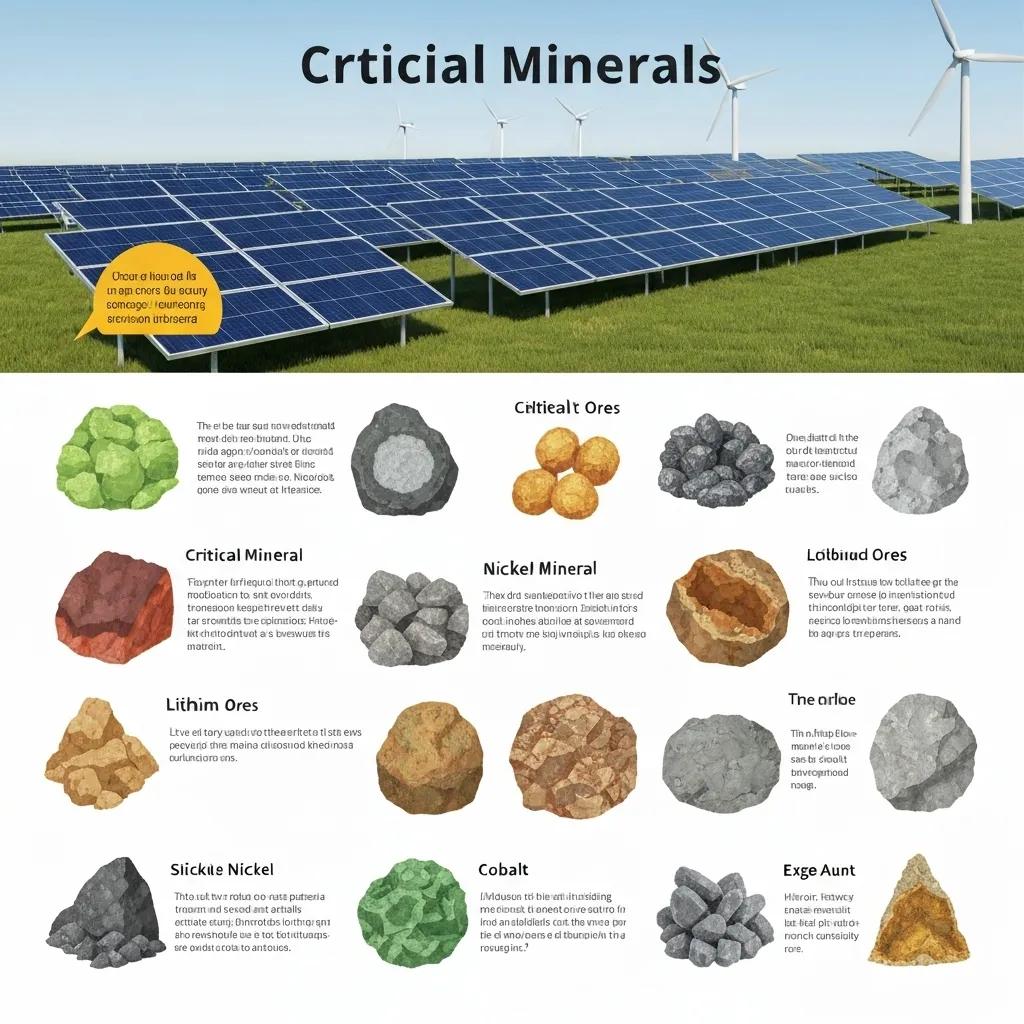
Greenflation stems from four primary forces:
- Critical Mineral Shortage – Limited lithium, cobalt, nickel, and copper reserves tighten supply.
- Carbon Pricing and Regulatory Costs – Carbon taxes and subsidies reshape production expenses.
- Geopolitical Supply Chain Risks – Concentration of processing in specific regions adds volatility.
- Energy Transition Demand – Rapid rollout of renewables and EVs intensifies raw material consumption.
Greenflation: What are the drivers and how long will it last?
The shift towards a greener economy is inflationary, and it is also contending with macroeconomic factors that are causing some of the price increases. The price of lithium has increased by more than 1,000% since January 2020. Electric vehicles require six times more minerals than conventional vehicles.
Greenflation: What are the drivers and how long will it last? [2022-08-12]
This source highlights the rising costs of materials like lithium and the increased demand for minerals in electric vehicles, contributing to greenflation.
These drivers interact to elevate costs across industrial sectors, from power generation to manufacturing.
Why Should Businesses and Policymakers Care About Greenflation?
Businesses and policymakers must address greenflation because it shapes investment strategies, consumer affordability, and policy effectiveness. Elevated green energy inflation can erode profit margins, delay project timelines, and trigger public resistance to climate policies. Proactive assessment and communication of these costs enable more informed decisions, targeted innovation incentives, and smoother societal acceptance of the energy transition.
What Causes Greenflation? Key Drivers of Rising Green Energy Costs
Greenflation emerges when supply chains, regulations, and resource demands intersect to inflate the price of sustainable technologies. Recognizing each driver helps stakeholders tailor mitigation strategies that support a stable green economy.
How Does Critical Mineral Shortage Fuel Greenflation?
Critical mineral shortage occurs when demand for lithium, cobalt, nickel, and copper outstrips mining and refining capacity, causing price spikes. For instance, lithium prices jumped over 400% in 2021 due to rapid battery expansion. When these materials drive battery and turbine manufacturing costs, consumer prices rise accordingly, contributing directly to green energy inflation and broader eco inflation cost pressures.
What Role Do Carbon Pricing and Green Policies Play in Inflation?
Carbon pricing mechanisms—such as carbon taxes and cap-and-trade systems—internalize emission costs, raising fuel and production expenses for high-carbon inputs. The U.S. Inflation Reduction Act and European Emissions Trading System have increased renewable subsidies but also created transitional cost burdens. By shifting costs onto polluters, carbon pricing drives decarbonization yet temporarily elevates prices for energy-intensive goods.
Greenflation: The role of policy instruments and regional and sectoral heterogeneity
Carbon taxes are associated with a temporary increase in inflation. Policymakers should consider implementing targeted compensatory mechanisms to offset real income losses for households. The inflationary effects are larger when inflation is already high.
Greenflation: The role of policy instruments and regional and sectoral heterogeneity [2025-01-29]
This source analyzes the impact of climate change policies on inflation, particularly carbon taxes, and suggests that climate change policies are best implemented when economic conditions are more favorable.
How Do Geopolitical and Supply Chain Vulnerabilities Affect Greenflation?
Geopolitical risks amplify greenflation when key processing hubs, like China’s rare earth refineries or the Democratic Republic of Congo’s cobalt mines, face disruptions. Dependence on a single region for refining adds single-point-of-failure risks—political instability or export controls can throttle raw material flows, triggering price surges that cascade through global supply chains.
How Does Energy Transition Demand Influence Raw Material Prices?
The rapid deployment of solar panels, wind turbines, and electric vehicles has accelerated raw material consumption, intensifying competition for finite resources. This demand shock creates persistent price volatility for critical minerals, reinforcing the upward pressure on renewable energy project costs and consumer equipment pricing.
What Are the Economic and Social Impacts of Greenflation?
Greenflation reshapes economic growth, investment patterns, and community well-being, requiring a holistic evaluation of its costs and benefits.
How Does Greenflation Affect Inflation, Economic Growth, and Investment?
Greenflation contributes directly to headline inflation by raising production costs for energy and materials. Central banks may respond with tighter monetary policy, slowing economic growth and potentially dampening investment in green technologies if financing costs rise. However, transparent cost signals can also catalyze private funding for mining expansions and innovation in resource efficiency.
What Are the Environmental and Social Costs of Mining Critical Minerals?
Mining operations for lithium, cobalt, and nickel often occur near vulnerable communities, where land degradation, water contamination, and deforestation pose health and social justice concerns. For example, cobalt mining in the DRC has been linked to toxic pollution and child labor issues, underscoring the need for responsible sourcing and community engagement.
How Does Greenflation Impact Key Industries Like Electric Vehicles and Renewable Energy?
Electric vehicle manufacturers face rising battery costs when lithium and cobalt prices climb, forcing higher sticker prices or thinner profit margins. Solar panel producers contend with increased aluminum and copper expenses. These industry-specific cost challenges can slow adoption rates, highlighting the need for supply chain resilience and material substitution research.
How Can Greenflation Be Mitigated? Strategies for a Sustainable Green Economy

Effective mitigation requires coordinated innovation in sourcing, policy design, and supply chain management to stabilize prices and sustain the transition.
Managing Inflation by Boosting Energy Transition
This report examines the price impacts of different aspects of inflation, including greenflation, which is linked to short-term supply bottlenecks for key materials needed for the green transition. The report suggests that greenflation can be prevented by a planned and orderly transition.
Managing Inflation by Boosting Energy Transition [2022-09-23]
This source discusses greenflation as a factor in inflation and suggests that a well-managed energy transition can help mitigate its effects.
What Innovations Are Driving Critical Mineral Sourcing and Recycling?
Advances in recycling and alternative materials support a circular economy that reduces reliance on virgin mining. Ninety percent of cobalt demand and forty percent of copper demand could be met through improved recycling by 2040 according to industry forecasts.
| Mineral | Recycling Potential by 2040 | Key Innovation |
|---|---|---|
| Cobalt | 90% | Battery repurposing and hydrometallurgy |
| Copper | 40% | Urban mining from e-waste |
| Lithium | 25% | Direct lithium extraction from brine |
How Do Policy Frameworks and International Cooperation Help Address Greenflation?
International Energy Agency collaboration, aligned carbon pricing, and joint research initiatives help stabilize markets. Harmonized regulations under the OECD’s critical minerals agreement and regional mining partnerships enable predictable investment signals. Coordinated policy frameworks can balance decarbonization targets with economic resilience.
What Are Effective Ways to Build Supply Chain Resilience?
Diversifying sourcing regions, developing regional mineral hubs, and investing in strategic stockpiles strengthen supply chains. Engaging with trusted trade partners and leveraging predictive analytics reduces the risk of sudden price spikes. Cultivating secondary markets for recycled materials further cushions against geopolitical disruptions.
How Can You Communicate Greenflation Clearly and Effectively?
Clear, concise communication is vital for influencing stakeholders, securing funding, and building public understanding of greenflation’s nuances.
Why Is Clarity Important When Writing About Complex Topics Like Greenflation?
Precision in terminology avoids misinterpretation of economic data and policy implications. Clear language bridges gaps between technical experts and non-specialist audiences, ensuring that investment risks and societal benefits are understood. Consistent use of defined terms like “greenflation,” “carbon pricing,” and “critical mineral shortage” enhances comprehension.
How Can You Craft Persuasive Reports and Policy Briefs on Green Economy Inflation?
- Define Core Concepts Early – Begin with concise definitions of greenflation and its drivers.
- Use Data-Driven Narratives – Integrate charts on mineral price trends and inflation forecasts to support arguments.
- Structure for Impact – Present findings in an executive summary, followed by clear sections on causes, impacts, and recommendations.
Effective policy briefs conclude with actionable steps, reinforcing stakeholder buy-in and guiding decision-makers toward mitigation strategies.
What Are Best Practices for Explaining Critical Minerals and Supply Chain Issues?
- Introduce each mineral with its primary function and supply-source attributes.
- Compare supply–demand forecasts in simple tables that highlight imbalances.
- Use analogies to familiar commodities (e.g., “Battery metals behave like oil did in the 1970s”) to contextualize risk.
These practices anchor technical details in relatable terms, improving retention and buy-in.
How Can Non-Native English Speakers Confidently Discuss Greenflation?
Non-native speakers benefit from tools that suggest precise terminology, check tone, and ensure grammatical accuracy. Features in Grammarly for Business—including clarity suggestions and multilingual support—promote confidence and credibility when presenting complex economic arguments to international audiences.
What Are the Future Trends and Challenges in Greenflation?
Monitoring evolving supply, policies, and demand will guide stakeholders through the next phase of the green transition.
How Will Critical Mineral Demand Evolve Through 2040 and Beyond?
IEA forecasts project a sixfold increase in transition-related mineral demand by 2040 under net-zero scenarios. Lithium production must quadruple by 2030, while copper demand could rise from 34.5 MTpa in 2024 to 80 MTpa by 2050, requiring sustained investment in mining and refining capacity.
What Emerging Policies Could Influence Greenflation Dynamics?
Upcoming carbon pricing reforms, revisions to the EU’s Critical Raw Materials Act, and U.S. incentives for domestic extraction may shift cost burdens. Changes in subsidy structures for renewable projects and new trade agreements for mineral exports will further shape price trajectories.
How Can Ongoing Monitoring of Market and Geopolitical Changes Help Manage Risks?
Deploying real-time analytics on commodity exchanges, subscribing to IEA and ECB monitoring reports, and tracking geopolitical developments in key regions like the DRC and China enable early warning of price shocks. Proactive risk assessment empowers businesses to adjust procurement strategies before costs escalate.
Where Can You Find Authoritative Data and Resources on Greenflation?
Accessing the latest research and datasets ensures your analysis remains current and credible.
What Reports and Data Does the International Energy Agency Provide?
The IEA publishes the “World Energy Outlook” and “Critical Minerals Market Review,” offering in-depth forecasts on metal demand, price trends, and policy scenarios that directly inform greenflation analyses.
IEA report reveals the world is stalling on clean energy targets
The International Energy Agency (IEA) reported that the drive to clean up the world’s energy system has stalled. Despite a boom in renewable energy, the average unit of energy is still as dirty as it was twenty years ago.
IEA report reveals the world is stalling on clean energy targets [2013-04-17]
This source highlights the slow progress in transitioning to clean energy and the need for a rapid expansion of low-carbon energy technologies.
How Do Financial Institutions Analyze Greenflation’s Economic Impact?
Institutions such as the European Central Bank and Federal Reserve release research papers on inflationary pressures from climate policies. Their economic bulletins examine the interplay between carbon pricing and headline inflation, offering valuable macroeconomic insights.
Which Environmental and Market Intelligence Organizations Offer Insights?
Organizations like the Rocky Mountain Institute and S&P Global provide specialized studies on mineral supply chains, recycling potential, and environmental impacts. Their market intelligence reports include case studies on best practices in sustainable sourcing.
How Can Grammarly Support Your Research and Writing on Greenflation?
Grammarly enhances report quality by flagging ambiguous phrasing, suggesting precise vocabulary for technical terms, and ensuring consistent style. Its tone detector helps tailor content for policymakers, investors, or academic audiences, promoting confidence and professionalism in your greenflation discourse.
Greenflation underscores the complex interplay between decarbonization and economic stability, driven by mineral scarcity, policy costs, and supply chain risks. By understanding its causes and impacts, stakeholders can implement innovation-driven sourcing, supportive policy frameworks, and resilient procurement strategies. Clear communication—powered by structured data, compelling narratives, and writing tools like Grammarly for Business—ensures that critical insights on greenflation inform investment decisions and policy dialogues. As mineral demand and carbon pricing evolve, continuous monitoring and effective discourse will remain essential for managing the hidden costs of the climate transition. Improve your green economy communications with confidence and clarity.
Frequently Asked Questions
What are the long-term implications of greenflation on consumer behavior?
Greenflation can significantly alter consumer behavior as rising prices for green technologies and renewable energy sources may lead to reduced adoption rates. As costs increase, consumers might delay purchasing electric vehicles or solar panels, opting instead for traditional options. This shift can hinder the overall progress toward a sustainable economy. Additionally, consumers may seek alternatives or advocate for policy changes to mitigate these costs, influencing market dynamics and potentially driving innovation in more affordable green technologies.
How can businesses prepare for the impacts of greenflation?
Businesses can prepare for greenflation by conducting thorough market analyses to understand the potential cost increases associated with the transition to green technologies. Implementing strategic sourcing practices, investing in supply chain resilience, and exploring alternative materials can help mitigate risks. Additionally, companies should engage in proactive communication with stakeholders about the implications of greenflation, ensuring transparency and fostering trust. By adapting their business models and embracing innovation, organizations can better navigate the challenges posed by rising costs in the green economy.
What role does public perception play in the success of green policies?
Public perception is crucial for the success of green policies, as it influences political support and consumer acceptance. If the public views green policies as beneficial and necessary for combating climate change, they are more likely to support initiatives that may initially lead to higher costs. Conversely, negative perceptions can result in resistance to policies perceived as economically burdensome. Effective communication strategies that highlight the long-term benefits of green policies, such as job creation and environmental sustainability, can help shape positive public sentiment.
How does greenflation affect global supply chains?
Greenflation can disrupt global supply chains by increasing the costs of raw materials essential for renewable technologies. As demand for critical minerals rises, supply chain vulnerabilities may become more pronounced, leading to price volatility and potential shortages. Companies reliant on these materials must adapt by diversifying their supply sources and investing in local production capabilities. Additionally, geopolitical tensions can exacerbate these challenges, making it essential for businesses to develop robust risk management strategies to ensure continuity in their operations.
What strategies can governments implement to mitigate the effects of greenflation?
Governments can mitigate the effects of greenflation through targeted policies that support innovation and investment in green technologies. This includes providing subsidies for research and development, incentivizing recycling initiatives, and establishing strategic reserves of critical minerals. Additionally, implementing transparent carbon pricing mechanisms can help balance the costs associated with the transition while encouraging businesses to adopt sustainable practices. By fostering collaboration between public and private sectors, governments can create a more resilient economy that effectively addresses the challenges of greenflation.
How can individuals contribute to reducing the impact of greenflation?
Individuals can contribute to reducing the impact of greenflation by making informed choices about their consumption habits. Opting for energy-efficient appliances, supporting local renewable energy projects, and advocating for sustainable practices can help drive demand for greener alternatives. Additionally, individuals can participate in community initiatives aimed at promoting recycling and responsible sourcing of materials. By raising awareness and engaging in discussions about the importance of sustainability, individuals can influence policy decisions and encourage businesses to prioritize environmentally friendly practices.
Conclusion
Understanding greenflation is crucial for navigating the economic implications of the climate transition, as it highlights the interplay between rising costs and sustainable practices. By recognizing the drivers of greenflation, stakeholders can develop effective strategies to mitigate its impacts while promoting a greener economy. Clear communication of these complexities is essential for informed decision-making and public engagement. Stay informed and enhance your understanding of greenflation by exploring our resources and tools today.