Table Of Contents:
- Operation Fortitude: The Ghost Army That Fooled Hitler
- Unmasking Operation Fortitude a Pivotal World War II Strategy
- The Ghost Army the Ingenious Military Deception Unit
- Methods of World War II Strategy Employed in Operation Fortitude
- Operation Fortitudes Direct Influence on D Day and Normandy
- The Masterminds and Unsung Heroes of Military Deception
- Lasting Legacy of Operation Fortitude and Military Deception
- Frequently Asked Questions
Operation Fortitude: The Ghost Army That Fooled Hitler
Unmasking Operation Fortitude a Pivotal World War II Strategy
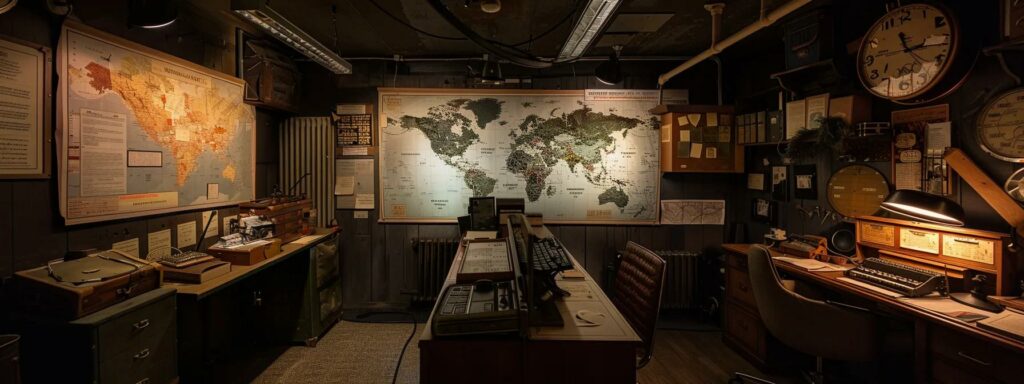
Operation Fortitude was a meticulously planned military deception executed by the Allies during World War II to mislead the German high command about the actual location of the European invasion. The Allies employed a strategic ruse designed to scatter German forces by suggesting that the real invasion would occur at alternative points along the coast instead of Normandy. This elaborate deception involved creating the appearance of large-scale military formations, using fake equipment and fabricated intelligence to convince Adolf Hitler and his generals of a diversionary attack. Rather than a single maneuver, Fortitude consisted of closely coordinated sub-operations—namely Fortitude North and Fortitude South—each employing distinctive deceptive tactics.
Defining Operation Fortitude and Its Strategic Importance reveals that the deception was integral to the Normandy landings and the broader Allied invasion of Europe. By falsely presenting an alternative invasion route, the Allies delayed or misdirected German reinforcements away from the true landing zones, thereby reducing casualties and maximizing operational surprise. The operation exploited German biases and intelligence weaknesses and set a lasting benchmark for modern military deception.
The Dual Aims of Fortitude North and Fortitude South focused on splitting German attention. Fortitude North feigned an impending invasion of Norway, while Fortitude South emphasized that the main assault would come from the Pas de Calais rather than Normandy. Both components used dummy equipment, false radio traffic, and double agents to provide consistent misinformation. Every detail—from inflatable tanks to patches of fake troops—was designed to reduce German preparedness in Normandy on D Day.
Operation Bodyguard, the overarching plan, orchestrated a series of subordinate deceptions that provided cover for the real invasion. The design linked fake military units and simulated logistics with Fortitude’s deception objectives. German intelligence, hampered by poor communication, was misled into making strategic mistakes that proved critical to the Normandy landings. The planning involved not only military resources but also sophisticated coordination among intelligence agencies and the creative use of art and sound to simulate real battle conditions.
Key planners shaping Fortitude included high-ranking Allied officers, intelligence agencies, and specialized deception units. Figures such as Lieutenant Colonel Dudley Clarke and the London Controlling Section were pivotal, ensuring that the deception was both broad in scale and detailed in execution. From cryptanalysts at Bletchley Park to operatives managing dummy installations, these experts maintained the illusion of a massive, mobile force poised to attack.
Assessing the overall success of Operation Fortitude shows a monumental achievement in military strategy. Not only did the operation contribute directly to the Normandy invasion by diverting German forces, but it also established enduring principles of coordinated deception. Its effectiveness is well documented in post-war analyses and continues to influence modern military doctrine in deception and psychological warfare.
The Ghost Army the Ingenious Military Deception Unit
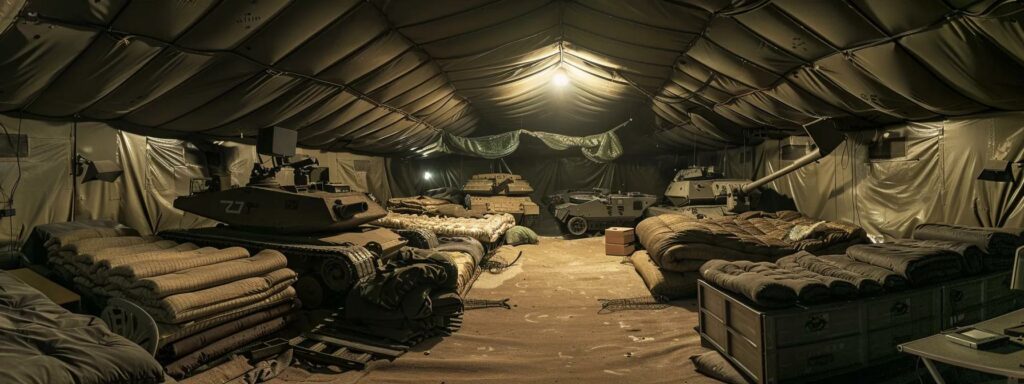
The Ghost Army was an elite unit formed by the Allies to execute deceptive measures critical to Operation Fortitude. Comprising artists, designers, technicians, and sound engineers, the unit was tasked with creating and deploying fake military assets that deceived German reconnaissance and intelligence agencies. Using inflatable tanks and dummy artillery, they simulated entire divisions where none existed, blending art and military science to transform theater into a weapon of warfare and amplifying the overall deception.
The Formation and Composition of the 23rd Headquarters Special Troops marked a turning point in military deception. Referred to as the Ghost Army, its members—many formerly civilian artists with stage production and design experience—built convincing fakes. They crafted inflatable replicas of tanks and trucks while producing realistic-looking props that mimicked the postures and sounds of real military units. From afar, enemy aircraft saw formations indistinguishable from actual armored divisions.
The Creative Talents of the Ghost Army were deployed in multiple domains. Their innovative use of sound involved broadcasting pre-recorded noises of troop movements, artillery fire, and engine roars to suggest that large units were in motion. These audio illusions were synchronized with visual deceptions, such as the coordinated movement of inflatable tanks on mock roads, heightening the credibility of their entire operation.
Simulating entire divisions with inflatable tanks and props was a hallmark of the Ghost Army. Each dummy element was meticulously constructed to resemble real military hardware, complete with authentic camouflage and crew silhouettes visible from aerial reconnaissance. Complemented by fake artillery and mobile command centers, these measures created the illusion of a fully operational force.
Sonic Deception played a critical role in replicating the sounds of war. Using portable loudspeakers and pre-recorded soundtracks, the Ghost Army recreated the auditory atmosphere of a full-scale offensive. This synchronization of sound with covert ground movements misled German commanders regarding the allocation of their defensive resources.
Radio Trickery was another tactic in the Ghost Army’s arsenal. The unit broadcast counterfeit radio traffic—crafting coded messages to simulate authentic Allied communications. This tactic, combined with visual and auditory deceptions, created a comprehensive misdirection that baffled the enemy and sowed doubt within German command structures.
Methods of World War II Strategy Employed in Operation Fortitude
A key element behind Operation Fortitude was the exploitation of German assumptions about invasion locations. Allied planners recognized that German command expected to see an attack in heavily fortified regions. By deliberately creating decoys and simulating troop deployments in less guarded areas, the Allies induced strategic errors, forcing German reconnaissance aircraft and spies to report misleading evidence. This manipulation led the enemy to divert critical defensive assets away from Normandy.
The Use of Double Agents to Feed False Intelligence was central to the deception strategy. Highly placed informants like Juan Pujol García (codename GARBO) transmitted continuous streams of fabricated intelligence. This consistent misinformation reinforced the narrative of an imminent invasion at locations other than Normandy, leading German commanders to make decisions based on faulty assessments and misallocate their resources.
Creating Fictitious Armies, notably the fabricated First U.S. Army Group (FUSAG), was instrumental in cementing the illusion of vast Allied forces. Meticulously constructed through dossiers, fake headquarters, and counterfeit orders, FUSAG was tasked with guarding the Pas de Calais, a region deemed likely for invasion by German planners. The illusion was so convincing that Hitler ordered significant reinforcements to this phantom force, directly aiding the Normandy landings.
General George S. Patton’s Role in the Deception was equally pivotal. Known for his aggressive reputation, Patton was deliberately positioned as the commander of the fictitious FUSAG, lending credibility that German intelligence found hard to dismiss. His assignment created a misdirection that influenced German strategic decisions away from the true Allied plan.
Allowing German Reconnaissance to Witness Staged Preparations further enhanced the deception. Dummy installations, simulated troop movements, and orchestrated exercises provided tangible evidence of buildup in specific areas. These staged activities aligned perfectly with the fabricated intelligence, sowing confusion and paving the way for the breakthrough on D Day.
Operation Fortitudes Direct Influence on D Day and Normandy
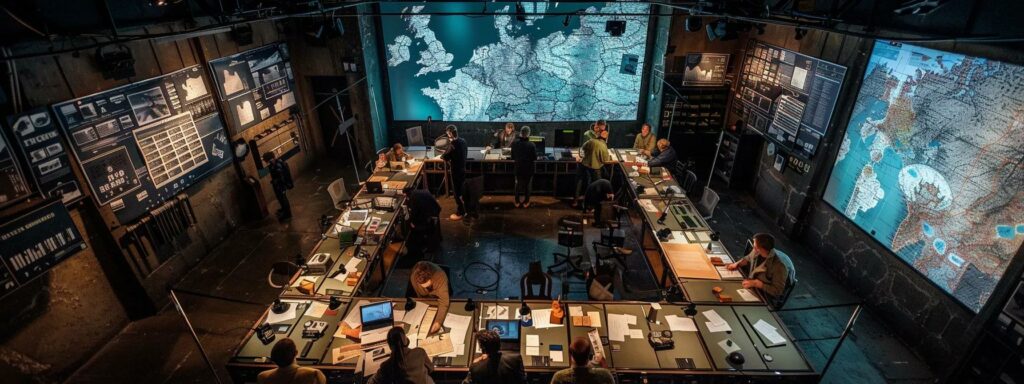
Operation Fortitude had a decisive impact on the Normandy invasion by diverting German forces away from the landing beaches. The deception softened enemy defenses and reduced direct resistance during the initial assault, allowing Allied forces to secure critical beachheads with minimal opposition.
Diverting German Forces Away From Normandy was accomplished through a blend of physical deceptions, double-agent misinformation, and strategic misdirection. Elaborate dummy installations, false radio traffic, and staged troop movements created the impression of a vast Allied presence in the Pas de Calais, prompting German commanders to commit major resources—such as armored divisions and experienced infantry—to areas with little actual threat.
Delaying German Reinforcements After the Landings was another key outcome. The misdirected enemy forces, convinced of an impending attack elsewhere, remained inactive instead of quickly responding to the real invasion. This delay allowed Allied troops to consolidate their beachhead and establish vital logistical support channels during the critical early hours of the battle.
Convincing Hitler that the Normandy Landings Were a Diversion was perhaps the most psychologically critical element. Through sustained double-agent efforts and careful manipulation of intelligence, the Allies embedded a false narrative within the German high command. Hitler’s belief that Normandy was merely a feint prevented him from reallocating reserves efficiently, thereby reducing the defense at the true landing zones.
Post-landing, the operation contributed to Reduced Allied Casualties. Diverting substantial enemy forces minimized the intensity of resistance during the initial assault, allowing for a more organized landing process that reduced casualties and facilitated smoother logistical operations.
The Continued Deception Post D Day maintained the illusion of threat long after the initial assault. Allied commanders consistently fed false intelligence and staged deceptive maneuvers to prevent a rapid German counterattack. This sustained effort helped stabilize the newly established beachhead and contributed to the eventual liberation of occupied Europe.
The Masterminds and Unsung Heroes of Military Deception
Lieutenant Colonel Dudley Clarke emerged as one of the foremost architects of Allied deception. His innovative strategies—combining military, intelligence, and artistic resources—crafted a mosaic of false signals designed to mislead the enemy on multiple levels. Clarke’s work established a precedent for blending conventional warfare with creative deception that continues to influence military operations.
The London Controlling Section played a critical role through its covert planning and coordination of the extensive deception measures. This secretive group oversaw the fabrication and distribution of false intelligence, ensuring that every detail—from radio chatter to dummy equipment placements—was consistent and credible. Their behind-the-scenes work was integral to the success of the overall campaign.
Juan Pujol García, famously known as GARBO, was a key double agent whose efforts were indispensable. Acting as a trusted source for German intelligence, he consistently provided misleading information that reinforced the narrative of a diversionary force. His reliability under pressure ensured that German counterintelligence remained occupied with fictitious threats rather than the real Allied plans.
The Role of Bletchley Park and Ultra Intelligence in verifying the deception was also vital. The intelligence gathered there confirmed that German forces responded to false cues, enabling Allied commanders to adjust strategies in real time and ensure that every facet of the deception remained credible.
Additionally, the artists and technicians who built the illusions deserve special recognition. Model makers, sound engineers, and set designers turned simple materials into convincing deceptions. Their creative contributions, blurring the lines between theatrical production and military strategy, were key to the overall success of the deception campaign.
Lasting Legacy of Operation Fortitude and Military Deception
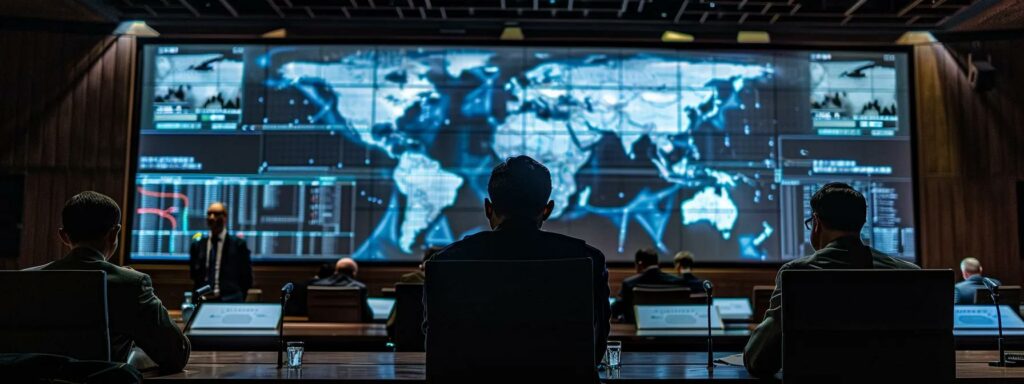
Operation Fortitude stands as a hallmark of successful military deception, its legacy firmly embedded in modern military doctrine and intelligence strategies. The operation not only played a pivotal role in the Normandy invasion but also transformed military thinking about information warfare and psychological operations. Its success led to the adoption of similar deceptive measures in later conflicts, making it a standard component of comprehensive military planning.
Lessons Learned in Psychological Operations and Information Warfare from Fortitude emphasize exploiting enemy biases and leveraging misdirection to create operational advantages. Modern military theorists study Fortitude as a prime case of how strategic deception can be orchestrated effectively—paving the way for advanced techniques in cyber warfare and electronic countermeasures. The operation remains a fundamental reference in military academies worldwide.
The prolonged Secrecy Surrounding the Ghost Army further enhanced its mythos. For decades, the exploits of this creative unit remained classified, amplifying its mystique and underscoring the importance of operational security in deception. When details eventually emerged, they reshaped public understanding of the war and highlighted deception’s profound impact on military outcomes.
Recognition and Honors for the Ghost Army Veterans have grown over time. In later years, veterans received widespread acknowledgment through awards and commemorative events that celebrated their ingenuity and pivotal role in one of history’s most successful deception operations. Their story continues to inspire military professionals and civilians alike, illustrating the blend of art and strategy that contributed to victory.
How Fortitude Continues to Inform Modern Military Strategy is evident in contemporary debates on psychological operations, cyber warfare, and electronic warfare. The principles of misdirection, exploitation of enemy assumptions, and multi-layered deception remain integral to today’s military strategies. The enduring success of Operation Fortitude reminds us that, sometimes, the most potent weapon on the battlefield is making the enemy doubt their own intelligence.
Frequently Asked Questions
Q: What was the primary goal of Operation Fortitude? A: Operation Fortitude’s primary goal was to deceive the German high command about the true location of the Allied invasion, ensuring that German forces were misdirected away from Normandy. This was achieved through the use of fake armies, dummy equipment, and carefully managed intelligence disinformation, which significantly reduced German reinforcements at the actual landing zones.
Q: How did the Ghost Army contribute to the success of the operation? A: The Ghost Army played a crucial role by creating convincing decoys such as inflatable tanks, sound effects mimicking military operations, and radio transmissions that simulated troop movements. Combined with double agent insights from figures like Juan Pujol García, their efforts misled German reconnaissance and commanders regarding the strength and position of Allied forces.
Q: Why was the use of double agents crucial in Operation Fortitude? A: Double agents, notably Juan Pujol García, were critical because they fed the German command false but credible intelligence. This misinformation persuaded the enemy that the Allies were massing for an attack in areas other than Normandy, leading to the misallocation of German defensive resources and contributing significantly to the deception’s success.
Q: In what ways does Operation Fortitude influence modern military strategy? A: Modern military strategy continues to incorporate lessons from Operation Fortitude by integrating deception and misdirection into planning. Techniques such as fake troop deployments, cyber disinformation, and multi-layered intelligence manipulation are rooted in Fortitude’s principles, reinforcing its lasting legacy in psychological warfare and operational security.
Q: How did Operation Fortitude impact the outcome of D Day? A: By convincingly diverting German forces away from Normandy, Operation Fortitude ensured that the initial D Day assault encountered significantly less resistance. This strategic misdirection enabled rapid beachhead establishment, reduced Allied casualties, and was key to the eventual success of the broader Allied invasion.
Q: What role did Bletchley Park play in Operation Fortitude? A: Bletchley Park was instrumental by intercepting and decoding enemy communications and verifying the success of the deception measures. The Ultra intelligence gathered there confirmed that German forces reacted to the false cues, validating the Allied strategy and allowing for necessary adjustments.
Q: How did the dual aims of Fortitude North and Fortitude South enhance the overall deception strategy? A: The dual aims spread deception across multiple fronts by suggesting both a northern invasion in Norway and a southern invasion at the Pas de Calais. This compartmentalized approach forced the Germans to disperse their forces, ultimately reducing their ability to mount an effective defense against the actual Normandy invasion.