
Password Fatigue: Understanding and Overcoming the Mental Load of Digital Security

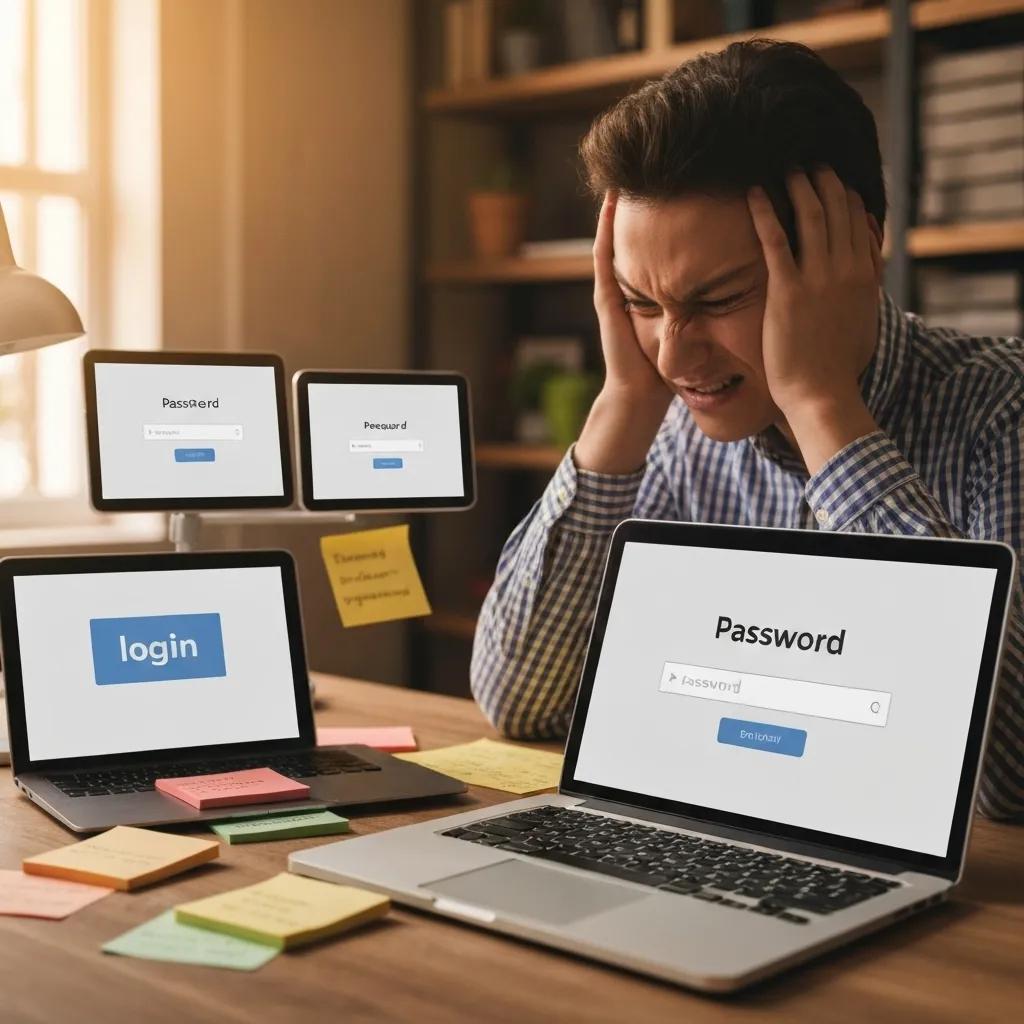
Password fatigue is the state of mental exhaustion caused by juggling dozens of complex credentials, which undermines secure behaviors and increases breach risk. Nearly 40% of individuals report high authentication fatigue, translating into reused or weak passwords that erode corporate and personal safety.
Measuring Password Fatigue: Usability and Cybersecurity Impacts
A 2022 study revealed that 39% of Americans experience a high level of password fatigue, leading to negative impacts on productivity and mental health. The research also found that companies incur an average annual productivity loss of $480 per employee due to time spent on password-related issues.
This study provides direct statistical evidence for the article’s claims regarding the prevalence of password fatigue and its financial impact on organizations.
In this article, you will learn what password fatigue is, how cognitive load amplifies digital-security stress, proven strategies—technological and organizational—for relief, the pivotal role of clear communication in compliance, and how Grammarly’s AI writing tools support concise, engaging security messaging.
What Is Password Fatigue and How Does It Affect Digital Security?
Password fatigue describes the exhaustion and frustration users feel when creating, remembering, and entering multiple passwords across services. This stripping of working-memory resources leads to coping shortcuts—like password reuse—that erode authentication integrity and amplify breach likelihood.
What Are the Common Symptoms of Password Fatigue?
Users under password fatigue often experience:
- Stress and Anxiety – Heightened worry when prompted for yet another credential.
- Forgetfulness – Frequent password resets and inability to recall recently changed passwords.
- Reduced Confidence – Reluctance to engage with new services due to expected credential complexity.
- Behavioral Avoidance – Skipping recommended resets, disabling multi-factor prompts to simplify access.
These symptoms create a cycle where mounting frustration triggers more insecure choices, shaping the next challenge: root causes.
What Causes Password Fatigue in Today’s Digital Environment?
Multiple factors converge to generate authentication fatigue:
- Excessive Accounts: The average user manages more than 100 online logins.
- Complex Requirements: Mandated length, character variety, and rotation policies increase effort per password.
- Multi-Factor Overload: Frequent MFA prompts and one-time-code resets add extra steps.
- Fragmented Recovery Flows: Diverse reset processes across platforms demand distinct identity proofs.
When each login feels like an exam, cognitive resources deplete rapidly, driving users toward risky behaviors that jeopardize digital security.
What Are the Security Risks Linked to Password Fatigue?
Users under chronic authentication fatigue gravitate toward:
- Password reuse across high-risk applications
- Simplified or predictable patterns (e.g., “Winter2023!”)
- Writing credentials in insecure notes or spreadsheets
- Skipping software updates to avoid new login requirements
These shortcuts elevate the chance of credential stuffing, phishing success, and unauthorized access, making password fatigue a direct threat to organizational and personal data integrity.
How Does Password Fatigue Impact Productivity and Mental Health?
When every login demands fresh mental effort, time and well-being suffer. Companies report average productivity losses of $480 per employee annually due to password issues, and IT teams spend 12.6 minutes per week on credential support.
The Cost of Password Fatigue in the Workplace
Research indicates that IT professionals dedicate an average of 12.6 minutes each week to entering and resetting passwords. This translates to significant annual productivity losses for organizations, highlighting the substantial time burden associated with credential management.
This finding directly supports the article’s specific statistic about the time IT teams spend on credential support, underscoring the operational costs of password fatigue.
| Metric | Measurement | Impact |
|---|---|---|
| Average Reset Time | 3 minutes per incident | 30% of daily help-desk inquiries |
| Annual Productivity Cost | $480 per employee | Cumulative multi-million dollar losses |
| Reported User Stress Levels | 78% high anxiety from logins | Increased burnout and disengagement |
The combination of time wasted and elevated stress underlines why relieving password fatigue must be a strategic priority.
How Does Cognitive Load Contribute to the Mental Burden of Digital Security?
What Is Cognitive Load in Cybersecurity Contexts?
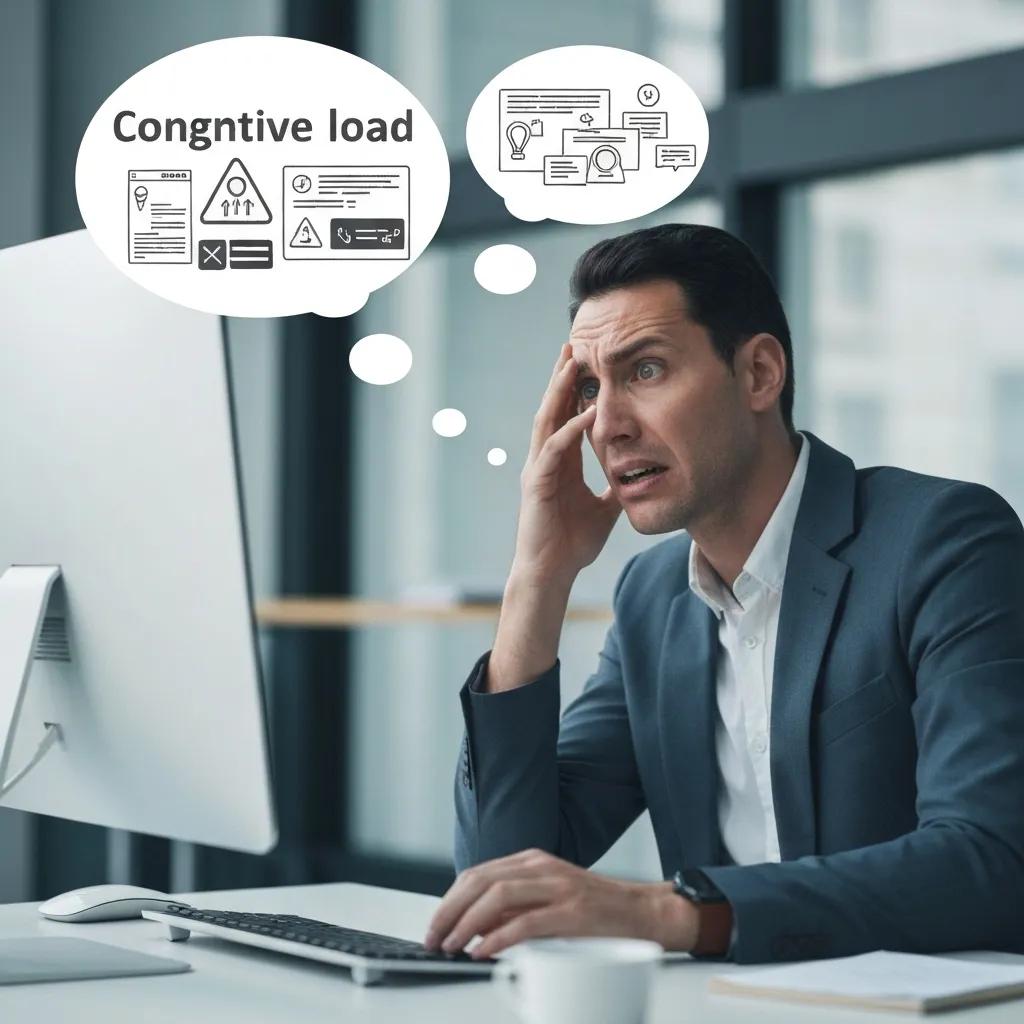
Cognitive load encompasses working-memory demands—such as remembering diverse policies, responding to alerts, and navigating complex tools—that converge to strain mental resources. When users allocate too much effort to security tasks, they lose bandwidth for core job functions and secure decision-making.
How Does Cognitive Overload Affect Everyday Digital Users?
Everyday users face:
- Alert Fatigue – Ignoring critical warnings after too many benign prompts.
- Decision Fatigue – Avoiding or deferring security choices to reduce mental effort.
- Information Overwhelm – Disregarding best-practice guidelines in favor of convenience.
These reactions erode compliance, turning well-intentioned users into the weakest link.
What Mental Health Challenges Do Cybersecurity Professionals Face?
- Burnout from 24/7 monitoring duties
- Chronic Stress tied to potential high-impact breaches
- Operational Paralysis when resource constraints hamper decision agility
Failing to address these pressures risks turnover and diminished defense capabilities.
Why Is the Human Factor a Key Vulnerability in Digital Security?
Human error—stemming from cognitive overload—drives over 80% of breaches.
State of Human Risk Report
A 2025 report highlights that human error was a contributing factor in 95% of data breaches. This emphasizes the critical role of user behavior, often influenced by cognitive overload and fatigue, in enterprise-wide security exposures.
This recent report substantiates the article’s claim that human error, often stemming from cognitive overload, is a primary driver of data breaches, reinforcing the human factor as a key vulnerability.
Overwhelmed users bypass MFA, choose weak credentials, or ignore critical patches, transforming individual fatigue into enterprise-wide exposures.
What Are Effective Strategies for Overcoming Password Fatigue and Reducing Cognitive Load?
How Do Password Managers Help Alleviate Password Fatigue?
Password managers store, generate, and autofill unique credentials, eliminating manual memory demands. By centralizing vault access behind a single master password or biometric unlock, these tools restore working memory for productive tasks rather than endless login rituals.
What Role Does Single Sign-On (SSO) and Passwordless Authentication Play?
SSO consolidates multiple logins under a unified identity provider, reducing credential count and reset frequency. Passwordless methods—like biometric verification or hardware tokens—remove passwords altogether, slashing both mental load and attack surfaces.
How Can Organizations Simplify Security Policies to Reduce Mental Burden?
Organizations can streamline mental demands by:
- Reducing password complexity requirements where risk tolerance allows
- Harmonizing reset flows across platforms
- Providing clear, concise policy summaries with actionable steps
- Embedding just-in-time guidance at login interfaces
Simplification converts abstract security mandates into intuitive actions that align with workflow.
Why Is Effective Security Awareness Training Crucial for Reducing Fatigue?
Engaging, scenario-based training enhances retention and confidence. When users understand the rationale behind requirements and see real-world examples, they experience less frustration and are more likely to comply consistently.
How Can Clear Communication Reduce Password Fatigue and Enhance Security Compliance?
How Does Writing Clear Security Policies Lower Cognitive Load?
Clarity in policy documents eliminates ambiguity and guesswork. Short sentences, bulleted action steps, and conversational tone reduce the mental translation needed to convert policy into practice, boosting adherence and cutting support tickets.
What Makes Security Awareness Training More Engaging Through Better Communication?
Readable training scripts—featuring relatable analogies, digestible modules, and direct calls to action—encourage participation and knowledge retention. Story-driven scenarios foster emotional connection, which decreases resistance and anxiety.
How Can Internal Security Communications Be Streamlined for Better Understanding?
Incident alerts, memos, and update notifications benefit from consistent formatting and plain-language summaries. Highlighting key changes at the top and using visual callouts ensures critical information penetrates inbox overload.
How Does AI-Powered Writing Assistance Support Security Messaging?
Grammarly’s generative AI, tone detection, and clarity suggestions help security teams draft concise, accurate messages rapidly. By flagging jargon, offering alternative phrasing, and ensuring empathy in tone, AI tools produce guidance that users absorb, reducing cognitive friction.
What Are the Key Benefits of Password Manager Adoption in Combating Password Fatigue?

| Feature | Mechanism | Benefit |
|---|---|---|
| Strong Password Generation | Creates complex, unique credentials | Eliminates guessable patterns |
| Autofill Integration | Automatically populates login forms | Saves time and prevents typing errors |
| Multi-Device Sync | Securely shares vault across devices | Ensures access continuity without reset |
| Breach Monitoring | Alerts users to compromised credentials | Promotes proactive resets and hygiene |
What Are Common Barriers to Password Manager Adoption and How to Overcome Them?
Resistance often stems from distrust, perceived complexity, or migration effort. Overcome these by offering guided setup workshops, highlighting zero-knowledge encryption, and showcasing ROI through reduced support costs and breach incidents.
What Are the Psychological and Organizational Impacts of Digital Security Mental Burden?
How Does Mental Load Affect User Behavior and Security Compliance?
Heavy mental demands prompt avoidance behaviors—skipping logins, postponing updates—or unsafe shortcuts. Over time, compliance rates drop, and incident response escalates in frequency and cost.
What Are the Costs of Cognitive Overload for Organizations?
Organizations incur lost productivity, elevated help-desk expenses, and increased breach remediation costs. Cognitive strain also fuels staff burnout, driving turnover in critical security roles and further eroding defense maturity.
How Can Organizations Support Cybersecurity Professionals Facing Burnout?
Providing rotational schedules, mental–health resources, and automated alert triage reduces nonstop operational load. Clear communication channels and documented playbooks alleviate decision fatigue, empowering teams to act swiftly and confidently.
What Are Frequently Asked Questions About Password Fatigue and Digital Security Mental Load?
What Is Password Fatigue and How Can I Recognize It?
Password fatigue manifests as stress, frequent resets, and reliance on insecure shortcuts. Recognize it by tracking help-desk tickets, surveying user frustration, and monitoring reuse metrics.
How Can Clear Communication Help Reduce Password Fatigue?
Clear communication simplifies complex instructions into bite-sized actions, enabling users to follow best practices without overburdening working memory. Concise policy language and engaging training lower anxiety and improve adherence.
What Are the Main Risks Associated with Password Fatigue?
Primary risks include password reuse, creation of weak credentials, written logs of passwords, and delayed security updates—all of which magnify exposure to phishing and credential-stuffing attacks.
How Do Password Managers and Other Technologies Help?
Password managers generate and store unique credentials, removing manual memory demands. SSO and passwordless authentication further reduce credential clutter and streamline secure access.
What Steps Can Organizations Take to Support Users and Reduce Fatigue?
Organizations should adopt password managers, simplify policy requirements, deliver clear training, and leverage AI-powered writing tools to craft concise, engaging security communications that align with user workflows.
Incorporating these strategies alleviates the cognitive burden of digital security, transforming password management from a source of frustration into a seamless element of everyday productivity. By prioritizing clarity, leveraging supportive technologies, and empowering teams through concise communication, organizations foster stronger security postures with reduced mental load.