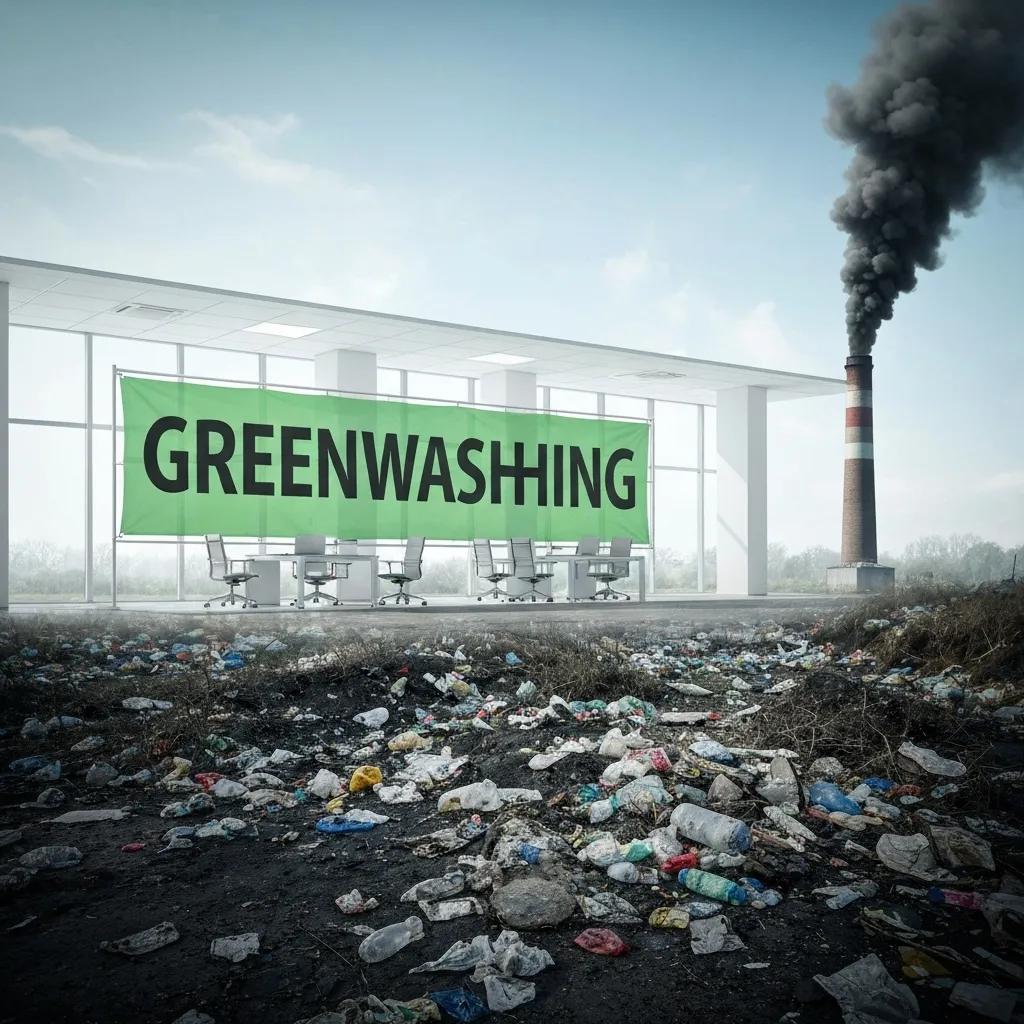
Understanding The Crisis of Cosmetic Conservation: Identifying Greenwashing and Ineffective Practices
Thirty percent of global conservation marketing initiatives amount to cosmetic conservation: superficial actions that prioritize public image over real ecosystem improvements. This crisis misallocates funding, diminishes biodiversity, and erodes public trust in environmental efforts. In this article, you will learn how cosmetic conservation is defined, understand greenwashing tactics, explore why many conservation projects fail, and examine key ecological crises linked to superficial practices. We will also cover metrics for conservation effectiveness, strategies for clear and ethical communication, and the role of technology and community engagement in promoting genuine sustainability. Leveraging Grammarly’s AI writing assistant can enhance clarity and authority in your environmental advocacy.
What Is Cosmetic Conservation and How Does It Affect Environmental Efforts?
Cosmetic conservation encompasses performative environmental actions designed to secure short-term reputational gains by showcasing green credentials while lacking substantive ecological outcomes, ultimately hindering genuine biodiversity protection and ecosystem resilience. By focusing on image rather than impact, organizations divert resources away from lasting habitat restoration and community-driven stewardship, perpetuating public distrust and false progress narratives.
How Is Cosmetic Conservation Defined and Characterized?
Cosmetic conservation describes initiatives that emphasize marketing over measurable impact, often featuring glossy reports, token tree plantings, or symbolic wildlife corridors without long-term maintenance. These efforts are characterized by grandiose language, selective data disclosure, and minimal stakeholder engagement, creating a veneer of sustainability that fails ecological and social accountability. Recognizing these characteristics lays the groundwork for distinguishing superficial practices from meaningful action.
What Are Common Causes Behind Cosmetic Conservation?
Superficial conservation efforts typically stem from:
- Corporate Greed – Companies prioritize profit and brand image over ecosystem health, allocating budget to PR rather than science-based interventions.
- Lack of Accountability – Weak oversight and vague targets enable organizations to claim progress without rigorous evaluation.
- Regulatory Gaps – Inadequate policy standards allow entities to exploit loopholes and make unverified environmental claims.
- Public Relations Motives – Marketing teams leverage “green” narratives for consumer appeal while avoiding substantive investment in ecological outcomes.
What Are the Consequences of Superficial Conservation?
Cosmetic conservation generates three main consequences:
- Biodiversity Loss – Shallow projects fail to halt species decline and habitat fragmentation.
- Resource Misallocation – Funds and labor are consumed by low-impact initiatives instead of critical restoration.
- Public Distrust – Communities grow skeptical of environmental messages when promised benefits never materialize.
How Does Cosmetic Conservation Differ from Effective Conservation?
Comparison of superficial versus genuine approaches reveals clear distinctions:
| Approach | Key Characteristic | Impact |
|---|---|---|
| Cosmetic Conservation | Prioritizes image and marketing | Limited ecological gains and eroded trust |
| Effective Conservation | Sets quantifiable targets and metrics | Sustained biodiversity recovery and resilience |
Distinguishing these models enables stakeholders to demand transparency, measurable goals, and accountability in environmental action, leading to real ecosystem benefits.
How Does Greenwashing Mislead Conservation and Sustainability Claims?
Greenwashing misleads consumers and stakeholders by presenting selective or exaggerated environmental achievements, damaging credibility and diverting attention from genuine solutions. By crafting vague slogans and overstated metrics, organizations manipulate perception without addressing underlying ecosystem challenges, perpetuating cosmetic conservation.
Consumers Struggle to Distinguish Genuine and ‘Greenwashed’ Environmental Claims
Research indicates that consumers frequently find it challenging to differentiate between authentic and misleading environmental claims in advertising. Educating individuals about greenwashing tactics can heighten their skepticism towards all environmental claims, including those that are genuinely sustainable.
This research directly supports the article’s discussion on how greenwashing misleads consumers and damages credibility, highlighting the difficulty consumers face in identifying genuine sustainability claims.
What Are the Most Common Types of Greenwashing in Conservation?
The following ordered list highlights prevalent greenwashing tactics:
- Hidden Trade-Offs – Highlighting a minor eco-friendly attribute while ignoring larger environmental harms.
- Vague Claims – Using ambiguous terms like “eco-positive” without defined criteria or proof.
- Irrelevant Assertions – Promoting outdated or irrelevant certifications that add no real value.
- Lesser-Of-Two-Evils Framing – Positioning one harmful activity as better than another without true sustainability.
- Fibbing – Outright false statements about environmental performance or approvals.
Which Real-World Examples Illustrate Greenwashing in Environmental Efforts?
Two high-profile cases demonstrate the scope of greenwashing:
- Volkswagen Dieselgate – Marketing diesel vehicles as low-emission while software cheated emissions tests, causing widespread air pollution.
- Nestlé Bottled Water – Advertising water harvesting as sustainable despite local ecosystem strain and community water shortages.
These examples show how deceptive messaging can overshadow ecological harm and delay effective policy responses.
How Can Greenwashing Be Detected and Avoided?
Practical steps to expose and prevent greenwashing include:
- Verifying Third-Party Certifications – Cross-check credentials with recognized bodies like FSC or Rainforest Alliance.
- Reviewing Full Lifecycle Data – Examine cradle-to-grave assessments instead of isolated claims.
- Checking Transparency Reports – Demand open disclosures of methodology, budgets, and outcomes.
- Engaging Local Stakeholders – Incorporate community feedback to validate on-the-ground impact.
Consistent diligence ensures authentic sustainability efforts receive proper support and scrutiny.
What Are the Regulatory and Ethical Responses to Greenwashing?
Key policy and accountability measures involve:
- Stricter Advertising Standards – Enforcing clear definitions for terms like “green,” “natural,” and “carbon-neutral.”
- Mandatory Impact Audits – Requiring independent environmental assessments for major campaigns.
- Legal Penalties – Imposing fines and sanctions on entities making false or misleading claims.
- Ethical Codes of Conduct – Encouraging voluntary industry commitments to transparency and scientific rigor.
These responses promote integrity in conservation communication and protect ecosystems from superficial schemes.
Why Do Many Conservation Efforts Fail? Common Pitfalls and Ineffective Practices
Conservation initiatives frequently fail when critical elements like funding stability and local engagement are missing, leading to unfulfilled objectives and wasted resources. Identifying these pitfalls supports more resilient project design and execution.
Learning from Published Project Failures in Conservation
A review of conservation literature reveals that analyses of project failures are rarely published, despite offering valuable lessons. Common causes of these failures include problematic interactions among people, a lack of trust, negative past experiences with conservation initiatives, inefficient communication, and issues with funding, such as insufficiency or misallocation.
This citation directly supports the article’s section on why many conservation efforts fail, detailing common pitfalls such as lack of community involvement, communication breakdowns, and funding issues.
How Does Funding Bias and Short-Term Support Undermine Conservation?
Reliance on short-term grants and donor preferences skews project priorities toward visible outcomes rather than lasting ecological change. When funding cycles end, maintenance lapses and restoration sites deteriorate, eroding early progress and community trust. Sustainable financing models are essential to maintain momentum and ensure long-term habitat recovery.
What Role Does Lack of Community Involvement Play in Conservation Failures?
Excluding local knowledge and stewardship from project planning alienates stakeholders and ignores culturally relevant practices. Community buy-in drives enforcement, monitoring, and adaptive management, while top-down approaches often falter due to misaligned incentives and poor local support. Genuine collaboration fosters shared ownership and sustainable outcomes.
How Do Unrealistic Goals and Poor Accountability Affect Outcomes?
Setting ambitious targets without clear measurement frameworks leads to project drift and unmet expectations. Lack of transparent reporting prevents course correction and undermines credibility. Implementing SMART goals (Specific, Measurable, Achievable, Relevant, Time-bound) and regular progress reviews enhances accountability and drives continuous improvement.
What Ethical Dilemmas Arise in Balancing Human Needs and Nature?
Conservation must navigate trade-offs between resource extraction, community livelihoods, and ecological preservation. Prioritizing one group often impacts another, raising questions of environmental justice and equity. Ethical decision-making frameworks guide fair benefit sharing and respect for indigenous rights, ensuring conservation aligns with human well-being.
What Are the Key Environmental Crises Linked to Cosmetic Conservation?
Superficial approaches exacerbate critical ecological threats by diverting attention and resources from systemic solutions. Understanding these crises underscores the high stakes of performative action.
How Does Light Pollution Threaten Ecosystems and Wildlife?
Light pollution disrupts nocturnal behaviors, alters plant flowering cycles, and interferes with circadian rhythms in animals. Excessive skyglow blinds migratory birds, disorients sea turtle hatchlings, and reduces natural darkness needed for ecosystem balance. Effective dark sky initiatives restore habitat integrity and support species that depend on night environments.
Light Pollution in Complex Ecological Systems
Studies on light pollution demonstrate its significant impact on individual animal behavior and physiology, disrupting natural orientation, activity patterns, and circadian rhythms. These effects can extend to influence community composition and overall ecosystem functioning, underscoring the need for a comprehensive understanding of its ecological consequences.
This research directly supports the article’s discussion on how light pollution threatens ecosystems and wildlife by detailing its disruptive effects on animal behavior, physiology, and broader ecological systems.
What Is the Impact of Anthropogenic Noise on Wildlife Communication?
Human-generated noise from shipping, construction, and urban development masks critical animal signals, leading to impaired foraging, mating disruptions, and elevated stress levels. Marine mammals experience auditory masking that hinders navigation, while birds alter vocalizations, impacting survival rates. Implementing noise-reduction measures protects acoustic habitats and supports healthy wildlife populations.
Why Is Biodiversity Loss a Critical Indicator of Conservation Failure?
Declines in species diversity reflect weakened ecosystem services, such as pollination, water filtration, and carbon sequestration. Beyond charismatic megafauna, loss of invertebrates and plants erodes food web stability and resilience to climate change. Measuring biodiversity trends provides a clear barometer for assessing long-term conservation success and ecological health.
How Can Conservation Effectiveness Be Measured and Improved?
Quantifying conservation outcomes with robust metrics and transparent reporting enables adaptive management, ensuring resources drive meaningful ecological gains and stakeholder confidence.
What Metrics Are Used to Evaluate Conservation Success?
Key performance indicators for conservation effectiveness include:
- Species Population Change – Tracking increases or recovery in target species numbers.
- Habitat Restoration Rate – Measuring area of land or water returned to natural conditions.
- Ecosystem Service Recovery – Assessing improvements in services like pollination and flood regulation.
- Community Engagement Levels – Gauging local participation, training, and stewardship activities.
- Transparent Reporting Frequency – Monitoring the regularity of public, audited progress updates.
How Does Transparent Reporting Enhance Conservation Accountability?
Open, verifiable reporting builds trust among funders, regulators, and communities by documenting successes and challenges. Publishing data dashboards, methodologies, and financial breakdowns enables scrutiny and collaborative problem-solving. Transparent communication reinforces credibility and deters cosmetic conservation tactics.
What Are Best Practices for Adaptive Management in Conservation?
Effective adaptive management integrates:
- Continuous Monitoring – Regularly collecting ecological and social data to detect emerging trends.
- Iterative Decision-Making – Adjusting strategies based on feedback loops and measured outcomes.
- Stakeholder Feedback – Incorporating community insights and expert reviews into planning.
- Scenario Planning – Testing multiple approaches to anticipate risks and optimize interventions.
How Does Clear Communication Strengthen Environmental Advocacy Against Cosmetic Conservation?
Precise, ethical writing amplifies authentic conservation narratives, counters misleading claims, and galvanizes stakeholder action by ensuring arguments are accessible, accurate, and compelling.
What Are Effective Strategies for Writing Impactful Conservation Reports and Policy Briefs?
Effective strategies include:
- Start with concise executive summaries that highlight key findings and recommendations.
- Use data visualizations and infographics to illustrate metrics like species recovery and habitat restoration.
- Employ consistent terminology, define technical terms, and avoid jargon to reach broader audiences.
- Structure arguments with problem–solution–impact frameworks to guide reader comprehension.
How Can Writers Avoid Misleading Language and Promote Ethical Communication?
Writers can:
- Verify all claims against primary data sources and peer-reviewed research.
- Define qualifiers (e.g., “up to,” “approximately”) precisely and cite methodologies.
- Disclose conflicts of interest and funding sources to maintain transparency.
- Use active voice and positive predicates to convey confidence and authority.
How Does Storytelling Help Highlight the Urgency of Genuine Conservation?
Narrative techniques—such as character-driven case studies, vivid ecosystem portraits, and future-scenario projections—engage emotions and illustrate real-world impacts. Framing stories around community successes, species recovery journeys, and technology-enabled monitoring brings data to life and motivates collective action against cosmetic efforts.
What Role Do Technology and Community Play in Promoting Genuine Conservation?
Combining advanced tools with local knowledge fosters transparency, empowers stakeholders, and scales authentic environmental action, countering superficial practices.
How Are AI, Blockchain, and eDNA Used to Enhance Conservation Transparency?
Key technological approaches include:
- AI-Driven Monitoring – Automated image and acoustic recognition track species presence and poaching activity.
- Blockchain Provenance – Immutable ledgers record supply-chain data, verifying sustainable sourcing and fund allocation.
- eDNA Analysis – Environmental DNA sampling detects species richness and distribution without intrusive surveys.
Why Is Community-Led Conservation Essential for Sustainable Outcomes?

Local stewardship ensures projects align with cultural values, leverages indigenous ecological knowledge, and secures long-term maintenance. Equitable partnerships empower communities to co-design interventions, fostering ownership and resilience. Community leadership bridges global expertise and on-the-ground insights for more effective and just environmental solutions.
How Can Stakeholders Collaborate to Combat Cosmetic Conservation?
Effective collaboration strategies include:
- Establish Multi-Stakeholder Councils – Include government, NGOs, academics, businesses, and local representatives in governance.
- Share Open Data Platforms – Facilitate collective monitoring and adaptive learning across projects.
- Develop Joint Accountability Frameworks – Define shared goals, metrics, and enforcement mechanisms.
- Co-Create Education Campaigns – Align messaging to expose greenwashing and promote verified success stories.
Cosmetic conservation jeopardizes biodiversity, misdirects critical resources, and weakens public trust in environmental efforts. By defining greenwashing tactics, diagnosing project failures, and examining crises like light pollution and anthropogenic noise, stakeholders can pivot toward authentic, measurable conservation. Implementing rigorous metrics, transparent reporting, clear communication strategies, and technology-community partnerships drives impactful ecosystem recovery. Empower your environmental advocacy with precise, authoritative writing—use Grammarly’s AI tools to enhance clarity, accuracy, and persuasive power in every conservation narrative.
Frequently Asked Questions
What are the long-term effects of cosmetic conservation on local communities?
Cosmetic conservation can lead to disillusionment among local communities as they witness superficial efforts that fail to deliver real benefits. When organizations prioritize image over impact, community members may feel excluded from decision-making processes, leading to a lack of trust and engagement. This disconnect can result in diminished local stewardship and a reluctance to participate in future conservation initiatives. Ultimately, the long-term effects can include weakened community ties, reduced support for genuine conservation efforts, and a cycle of skepticism towards environmental organizations.
How can individuals identify and support genuine conservation efforts?
Individuals can identify genuine conservation efforts by looking for transparency in reporting, measurable outcomes, and community involvement. Research organizations and projects to see if they provide detailed information about their goals, methods, and results. Supporting initiatives that prioritize local engagement and have third-party certifications can also help ensure that contributions are directed toward effective practices. Additionally, staying informed about greenwashing tactics can empower individuals to make educated choices about which organizations to support, fostering a culture of accountability in conservation.
What role does education play in combating cosmetic conservation?
Education is crucial in combating cosmetic conservation as it equips individuals and communities with the knowledge to recognize superficial practices and advocate for genuine efforts. By understanding the principles of effective conservation, stakeholders can demand accountability and transparency from organizations. Educational initiatives can also raise awareness about the importance of biodiversity and ecosystem health, fostering a sense of responsibility among community members. Ultimately, informed individuals are more likely to engage in meaningful conservation actions and support initiatives that prioritize long-term ecological benefits.
How can technology enhance community engagement in conservation?
Technology can significantly enhance community engagement in conservation by providing tools for communication, data sharing, and participatory monitoring. Platforms that facilitate collaboration allow community members to contribute their local knowledge and insights, ensuring that conservation efforts are culturally relevant and effective. Mobile applications can enable real-time reporting of environmental changes, while social media can raise awareness and mobilize support for local initiatives. By leveraging technology, communities can strengthen their involvement in conservation, leading to more sustainable and impactful outcomes.
What are the ethical considerations in conservation funding?
Ethical considerations in conservation funding include ensuring that financial resources are allocated transparently and equitably. Funders should prioritize projects that demonstrate genuine community involvement and ecological benefits rather than those that merely seek visibility. Additionally, it is essential to consider the long-term sustainability of funded initiatives, avoiding short-term solutions that may lead to dependency or neglect once funding ceases. Ethical funding practices also involve respecting local rights and knowledge, ensuring that communities benefit from conservation efforts rather than being sidelined or exploited.
How can stakeholders measure the success of conservation initiatives?
Stakeholders can measure the success of conservation initiatives through a combination of quantitative and qualitative metrics. Key performance indicators may include species population changes, habitat restoration rates, and community engagement levels. Regular monitoring and transparent reporting of these metrics allow for adaptive management and informed decision-making. Additionally, stakeholder feedback can provide valuable insights into the perceived effectiveness of initiatives, helping to refine strategies and enhance overall impact. By employing a comprehensive evaluation framework, stakeholders can ensure that conservation efforts are genuinely effective and accountable.
Conclusion
Understanding the crisis of cosmetic conservation is crucial for fostering genuine environmental efforts that prioritize biodiversity and community engagement. By recognizing greenwashing tactics and the pitfalls of superficial practices, stakeholders can redirect resources toward impactful conservation initiatives. Embracing transparency, accountability, and local involvement will enhance the effectiveness of conservation strategies. Start your journey towards authentic environmental advocacy today by exploring our resources and tools.