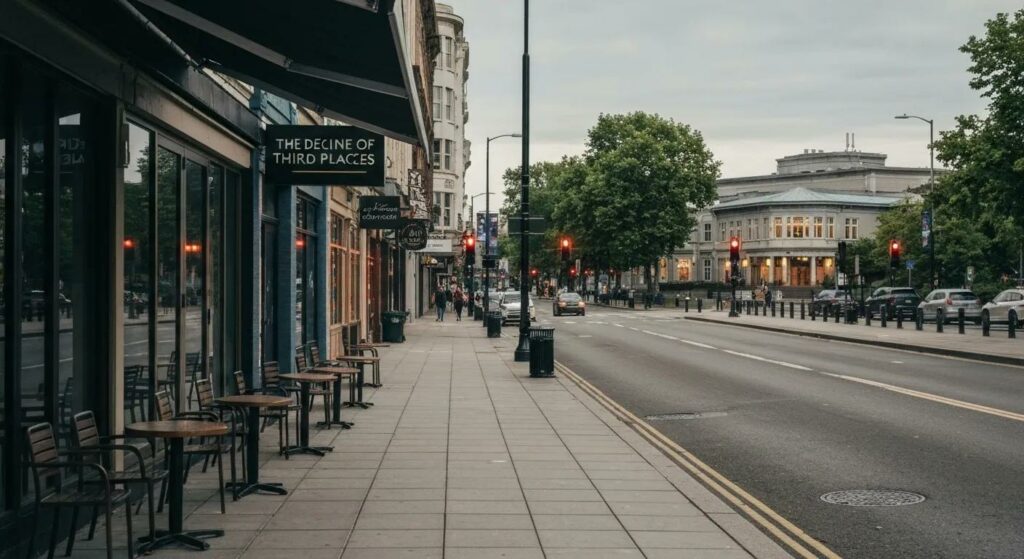
The Decline of Third Places: Understanding Where Everyone Went and Its Impact on Community Connection
Where do you truly belong outside of home and work when familiar gathering spots—cafes, parks, libraries, community centers—seem harder to find? Third places are informal social hubs that foster conversation, connection, and mental well-being, yet economic pressures, digital alternatives, and urban design failures have driven many of these spaces into scarcity. In this article, you will explore what third places are and why they matter, the root causes behind their decline, the social and health consequences of losing these communal anchors, strategies in urban planning and social infrastructure to rebuild them, community-led actions that revive local hubs, a narrative overview of common public questions on this topic, and the role of the loneliness epidemic in driving renewed urgency. By the end, you’ll understand how organizations and individuals can leverage tools like Google Maps and Google My Business to strengthen community connection and bring third places back to life. (Oldenburg, R., The Great Good Place, 1989)
What Are Third Places and Why Are They Important for Community Life?
A third place is an informal gathering space distinct from home (first place) and workplace (second place) that supports spontaneous social interaction. These venues enhance social cohesion by creating neutral ground for dialogue, fostering relationships across diverse groups, and offering accessible environments where conversation thrives. Recognizing their value sets the stage for addressing their decline and designing solutions that restore community vitality. (Oldenburg, R., The Great Good Place, 1989)
Who Is Ray Oldenburg and What Is His Third Place Theory?
Ray Oldenburg, a sociologist and author of The Great Good Place, coined the term “third place” in 1989. He identified these informal public settings as essential social anchors where regulars gather, conversation flows freely, and hierarchies soften. By emphasizing neutrality, accessibility, and a playful atmosphere, Oldenburg’s theory framed third places as critical to balanced modern life and resilient communities. (Oldenburg, R., The Great Good Place, 1989)
What Are the Key Characteristics of Third Places?
Third places share five essential features that foster connection:
- They serve as neutral ground where no single group dominates.
- They prioritize open, informal conversation over structured activity.
- They welcome regulars who form the social glue of the venue.
- They guarantee easy accessibility and low or no cost for visitors.
- They create an unpretentious, playful atmosphere that encourages relaxed interaction.
These attributes combine to support relationship-building, local civic engagement, and mental health resilience. Recognizing these traits guides the revival of authentic gathering spots. (Oldenburg, R., The Great Good Place, 1989)
Which Types of Spaces Serve as Third Places?
Third places take many forms—each offering unique social benefits. The table below outlines common examples and their community functions:
| Space Type | Community Role | Benefit |
|---|---|---|
| Cafe or Coffee Shop | Casual meet-ups | Fosters spontaneous conversation and creative exchange |
| Public Library | Study and dialogue | Provides free knowledge resources and quiet social learning |
| Urban Park or Plaza | Open-air gathering | Encourages recreation, relaxation, and intergenerational play |
| Community Center | Organized events | Supports workshops, cultural programs, and civic meetings |
| Local Bookstore | Cultural discussions | Promotes literary gatherings and informal book clubs |
These varied settings illustrate how third places advance social interaction, lifelong learning, civic engagement, and mental health support. (Oldenburg, R., The Great Good Place, 1989)
How Do Third Places Support Social Interaction and Mental Health?
By design, third places lower barriers to entry and encourage casual encounters, which in turn strengthen social networks and reduce feelings of isolation. Gathering regularly in neutral settings releases stress, promotes emotional regulation through shared experiences, and builds a sense of belonging that counters anxiety and depression. Understanding this mechanism sets the foundation for tackling the crisis of dwindling communal spaces.
Why Are Third Places Declining? Key Causes Behind the Crisis of Connection
The ongoing disappearance of third places stems from multiple interrelated pressures. Rising real estate costs have priced out small independent venues while chain stores prioritize profit over community value. At the same time, digital platforms and remote work have shifted many interactions online, reducing demand for physical gathering spots. Urban planning patterns—such as car-oriented sprawl and restrictive zoning—further limit walkable public spaces. Finally, broader societal changes like longer commutes, shifting leisure habits, and pandemic-driven restrictions have weakened the habit of in-person gathering altogether. Recognizing these root causes informs targeted revitalization efforts.
How Do Economic Pressures and Commercialization Affect Third Places?
Economic pressures—especially rising rents and competition from corporate chains—undermine the viability of locally owned cafes, bars, and bookstores. Independent owners struggle to cover fixed costs, leading to closures or conversion into more profitable ventures. This commercialization creates homogenous spaces that often lack the neutral, community-oriented ethos of true third places and discourages the diverse interactions that drive social cohesion. (Oldenburg, R., The Great Good Place, 1989)
What Role Does Technology and Remote Work Play in the Decline?
Digital platforms offer convenience at the cost of spontaneous in-person connection. Remote work reduces daily foot traffic to local hubs, while social media and video chats fragment attention into virtual environments. These digital alternatives can create temporary “online third places,” but they lack the sensory cues, serendipitous encounters, and physical presence that strengthen emotional bonds and mental health through shared space and activity. (Oldenburg, R., The Great Good Place, 1989)
How Does Urban Planning and Zoning Influence the Availability of Third Places?
Urban design heavily influences where and how communities gather. Zoning laws that separate residential and commercial zones, prioritize parking over walkability, or restrict public assembly areas diminish the potential for third places to flourish. Suburban sprawl often isolates neighborhoods behind arterial roads, making casual visits to cafes or plazas inconvenient. Walkable, mixed-use developments with pedestrian-friendly streets and ample public spaces, by contrast, naturally support the emergence of third places.
What Societal Changes Contribute to the Reduction of Community Spaces?
Modern life increasingly values speed, convenience, and individualized experiences over communal activities. Extended commutes, fragmented leisure time, and multitasking lifestyles leave less room for unstructured social visits. Moreover, pandemic protocols accelerated remote routines and cautioned against indoor gatherings. As a result, habits that once sustained third places—like dropping in for conversation—have diminished, requiring intentional efforts to rebuild them.
What Are the Social and Health Impacts of the Decline of Third Places?
The erosion of these informal community hubs intensifies the loneliness epidemic and jeopardizes public health. Without accessible third places, people miss chances for casual support, communal identity, and stress relief. This isolation undermines civic engagement and contributes to physical health risks that parallel traditional risk factors like smoking or obesity. Understanding these consequences highlights the urgency of restoring vibrant social infrastructure.
How Does the Decline Contribute to the Loneliness Epidemic?
As third places vanish, opportunities for day-to-day social interaction shrink. Research indicates that about half of U.S. adults report feelings of loneliness, with highest rates among young adults aged 18–24. The Surgeon General’s 2023 advisory labeled solitude a public health crisis, linking community gathering deficits directly to emotional distress and societal fragmentation. (American Psychiatric Association, 2024)
What Are the Mental Health Effects of Social Isolation?
Extended isolation elevates the risk of depression, anxiety, and cognitive decline. Without casual check-ins from friends or neighbors in third places, individuals lack natural support networks to buffer stress. Studies show that people who engage regularly in community spaces report lower cortisol levels, improved mood regulation, and stronger resilience in the face of adversity. (American Psychiatric Association, 2024)
How Is Civic Engagement and Community Cohesion Affected?
Third places often host grassroots discussions on local issues, volunteer sign-ups, and informal civic meetings. Their decline reduces visible forums for public discourse, hindering democratic participation and weakening trust in local institutions. As communal ties fray, residents become less likely to vote, attend town halls, or collaborate on neighborhood improvement projects.
What Are the Physical Health Risks Associated with Social Isolation?
Social isolation correlates with a 29 percent increased risk of premature death—on par with smoking 15 cigarettes per day—and higher rates of heart disease and stroke. Lack of regular social contact elevates stress hormones, which can exacerbate inflammation and compromise immune function. Restoring third places supports incidental physical activity and stress relief that protect against these chronic conditions. (Cené, C. W., et al., American Heart Association, 2022)
How Can Urban Planning and Social Infrastructure Help Revitalize Third Places?
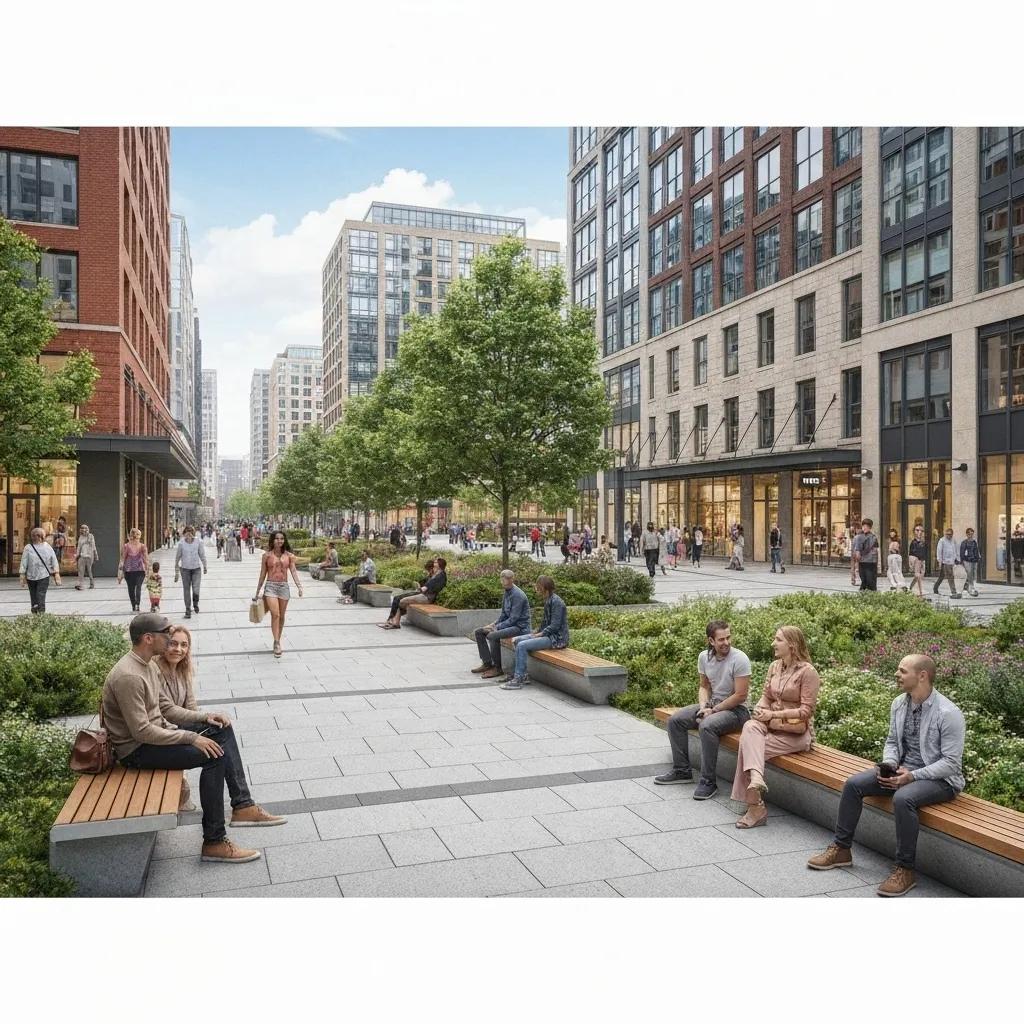
Rebuilding community anchors requires targeted urban design and investment in social infrastructure. Approaches that embed neutral gathering areas into neighborhoods, fund community-oriented projects, and reform zoning to encourage mixed-use development can foster third places. Technology can augment these efforts by mapping locations, promoting events, and connecting users to local resources without replacing the physical experience.
What Urban Design Strategies Promote Social Connection?
Urban planners now emphasize walkability, green corridors, and flexible public plazas that adapt to multiple uses. Incorporating pocket parks, sidewalk cafes, and street-level retail on main thoroughfares supports casual stop-bys. Designing streetscapes with seating clusters, accessible restrooms, and shade encourages longer stays and richer social exchange. (Urban Design Lab, 2024)
How Does Social Infrastructure Support Community Resilience?
Social infrastructure includes the organizations, spaces, and networks that provide communal services and cohesion. Libraries, community centers, and civic hubs anchored by reliable funding and local partnerships equip neighborhoods with meeting venues and programmatic support. Such infrastructure reinforces social ties and distributes the organizational labor required to sustain third places over time.
What Policy Measures Can Encourage the Creation of Third Places?
Municipalities can reform zoning codes to allow mixed-use developments, reduce parking minimums, and grant conditional use permits for micro-hubs. Grants and tax incentives for independent venue owners, coupled with community land trusts for public gathering spaces, help stabilize third places against market pressures. Encouraging placemaking initiatives that involve residents in design fosters local ownership and long-term viability.
How Can Technology Enhance Rather Than Replace Physical Third Places?
Digital tools—such as Google Maps listings for local gathering spots, event calendars, and community forums—can drive foot traffic to third places and streamline volunteer coordination. Google My Business profiles for cafes, libraries, and parks enable discovery and reviews that build trust. Augmented reality tours and mobile apps can layer storytelling onto physical spaces, deepening engagement without substituting for real-world interaction.
What Community-Led Initiatives Are Effective in Revitalizing Public Spaces?
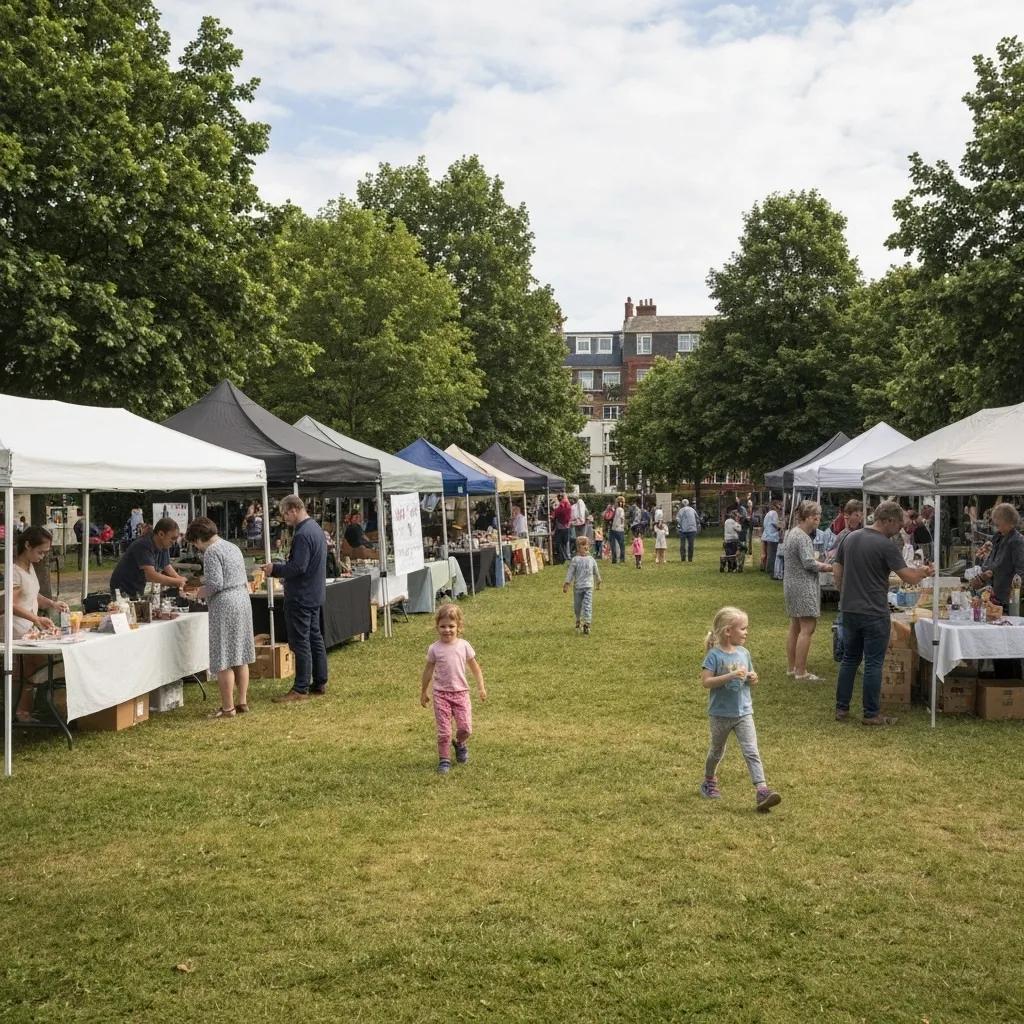
Grassroots movements often reclaim underused spaces for collective benefit. Pop-up parks, shared gardens, street festivals, and time-bank networks restore informal gathering traditions. By mobilizing volunteers, securing micro-grants, and leveraging local know-how, community organizers breathe new life into neglected venues and demonstrate scalable models for social infrastructure renewal.
How Do Grassroots Movements Foster Local Social Hubs?
Citizens can initiate “park-lets” by converting parking spots into mini-parks, host periodic block parties to reclaim streets for play, or launch community markets in vacant lots. These projects rely on volunteer labor, donated materials, and neighborhood partnerships. Their success underscores that third places flourish when residents co-design and co-maintain shared assets.
What Role Do Libraries, Cafes, and Parks Play in Modern Community Building?
Libraries now serve as technology incubators and informal coworking spaces in addition to book lending. Independent cafes host local podcasts, reading groups, and art shows that draw diverse crowds. Parks equipped with outdoor seating, performance zones, and pop-up vendors become natural third places. When these institutions adapt to contemporary needs, they reinforce their original social mission.
How Can Businesses Leverage Google Tools to Connect with Local Audiences?
Local venues can enhance visibility by optimizing their Google My Business profiles with accurate hours, entity-rich descriptions, and event announcements. Embedding Google Maps on community organization websites helps visitors locate third places easily. Encouraging customers to leave shuttle-style reviews and adding photos of social gatherings builds digital word-of-mouth that drives real-world foot traffic. (Story Amplify, 2022)
What Are Examples of Successful Revitalization Projects?
In Detroit, volunteers transformed an abandoned lot into an urban garden and communal hangout space. In Copenhagen, a network of modular street benches created social nodes along cycling routes. Portland’s “Park(ing) Day” initiative repurposes parking spaces into vibrant mini-parks every year. These case studies show that low-cost, high-visibility actions can catalyze broader support for permanent third places.
Frequently Asked Questions
What are the long-term societal benefits of maintaining third places?
Maintaining third places offers significant long-term societal benefits, including enhanced community cohesion, improved mental health, and increased civic engagement. These spaces provide opportunities for casual interactions that can alleviate feelings of loneliness and isolation. Additionally, vibrant third places can stimulate local economies by attracting visitors and supporting small businesses. By fostering a sense of belonging and community identity, third places contribute to a healthier, more connected society, ultimately enhancing the quality of life for residents.
How can urban design be improved to support the creation of third places?
Urban design can be improved to support third places by prioritizing walkability, mixed-use developments, and accessible public spaces. Incorporating features such as pedestrian-friendly streets, green spaces, and flexible plazas encourages social interaction. Additionally, zoning reforms that allow for diverse community spaces can help create environments where third places can thrive. By designing neighborhoods that facilitate casual encounters and community gatherings, urban planners can foster a sense of belonging and enhance the overall quality of life for residents.
What role do local governments play in revitalizing third places?
Local governments play a crucial role in revitalizing third places by implementing supportive policies and funding initiatives. They can reform zoning laws to encourage mixed-use developments, provide grants and incentives for independent businesses, and invest in public infrastructure that promotes community gathering. By engaging residents in the planning process and prioritizing community needs, local governments can create an environment conducive to the growth of third places, ultimately enhancing social cohesion and public health.
How can individuals effectively advocate for third places in their communities?
Individuals can effectively advocate for third places by participating in local planning meetings, joining community organizations, and voicing their needs to local officials. Organizing grassroots initiatives, such as community clean-up days or pop-up events, can demonstrate the demand for social spaces. Building coalitions with neighbors and engaging in collaborative projects can amplify their efforts, making it easier to push for changes that support the development and maintenance of third places in their neighborhoods.
What impact does the decline of third places have on youth and young adults?
The decline of third places significantly impacts youth and young adults, as these spaces often serve as vital venues for socialization, learning, and community engagement. Without accessible gathering spots, young people may experience increased feelings of isolation and loneliness, which can affect their mental health and social development. Additionally, the absence of third places limits opportunities for informal mentorship and networking, hindering their ability to build connections and engage with their communities effectively.
How can technology be leveraged to promote third places without replacing them?
Technology can be leveraged to promote third places by enhancing visibility and engagement without replacing the physical experience. Tools like social media can facilitate event promotion and community discussions, while platforms like Google Maps can help residents discover nearby gathering spots. Mobile apps can provide features such as community calendars and volunteer coordination, making it easier for individuals to participate in revitalization efforts and connect with their neighbors, ultimately driving foot traffic to these essential social hubs.
What are some examples of successful community-led initiatives to revive third places?
Successful community-led initiatives often include pop-up parks, community gardens, and street festivals. For instance, residents can transform vacant lots into vibrant gathering spaces or host block parties to reclaim streets for social activities. These grassroots efforts rely on volunteer labor and local partnerships, demonstrating that when communities co-design and maintain shared spaces, they can effectively revitalize third places and foster social connections.
How can local businesses contribute to the revival of third places?
Local businesses play a crucial role in revitalizing third places by creating welcoming environments that encourage social interaction. They can host community events, support local artists, and collaborate with neighborhood organizations to promote gatherings. By optimizing their online presence through platforms like Google My Business, businesses can attract foot traffic and engage with the community, ultimately enhancing the vibrancy of local social hubs.
What role do public policies play in supporting third places?
Public policies are essential for supporting third places by reforming zoning laws to allow mixed-use developments and reducing barriers for small businesses. Municipalities can provide grants and incentives for independent venues, ensuring they remain viable against corporate competition. Additionally, policies that promote community engagement in urban planning can empower residents to advocate for the creation and maintenance of third places, fostering a sense of ownership and responsibility.
How can technology be used to enhance community engagement in third places?
Technology can enhance community engagement by providing platforms for event promotion, local resource discovery, and social networking. Tools like Google Maps can help residents find nearby third places, while social media can facilitate communication about events and gatherings. Additionally, mobile apps can offer features like community calendars and volunteer coordination, making it easier for individuals to participate in revitalization efforts and connect with their neighbors.
What are the long-term benefits of restoring third places for communities?
Restoring third places offers numerous long-term benefits, including improved mental health, enhanced social cohesion, and increased civic engagement. These spaces provide opportunities for casual interactions that can reduce feelings of loneliness and isolation. Furthermore, vibrant third places can stimulate local economies by attracting visitors and supporting small businesses, ultimately contributing to a healthier, more connected community.
How can individuals advocate for the creation of third places in their neighborhoods?
Individuals can advocate for the creation of third places by participating in local planning meetings, joining community organizations, and voicing their needs to local officials. They can also organize grassroots initiatives, such as community clean-up days or pop-up events, to demonstrate the demand for social spaces. Engaging with neighbors and building coalitions can amplify their efforts, making it easier to push for changes that support the development of third places.
What Is a Third Place and Why Does It Matter?
A third place is any informal public environment—such as a cafe, park, or library—that supports casual social interaction beyond home and work. These venues matter because they foster neutral ground for conversation, strengthen local social networks, and bolster mental health by providing accessible gathering options.
Why Are Third Places Disappearing?
Economic pressures, including rising real estate costs and corporate competition, reduce the viability of small communal venues. Meanwhile, remote work and digital communication shift interactions online, and car-centric urban design limits walkable gathering spots. Combined societal shifts and pandemic restrictions have further weakened traditional visitation patterns.
How Does the Decline Affect Mental Health and Loneliness?
The decline of third places deprives people of regular, low-pressure social encounters that buffer stress and combat isolation. Research links diminished access to these hubs with increased rates of anxiety, depression, and cognitive decline, reinforcing the designation of loneliness as a public health crisis.
What Can Individuals and Communities Do to Bring Back Third Places?
Citizens can advocate for mixed-use zoning, volunteer in grassroots placemaking efforts, support independent venue owners through patronage and promotions, and organize pop-up gatherings in underutilized spaces. Leveraging tools like Google Maps for discovery and Google My Business for event listings enhances visibility and encourages communal participation.
How Is the Loneliness Epidemic Linked to the Decline of Third Places?
The widening loneliness epidemic and the retreat of third places feed each other in a reinforcing cycle. As informal social venues vanish, isolation increases; as isolation deepens, fewer people seek out physical public spaces, accelerating their decline. Addressing one component—reestablishing gathering spots—can help disrupt this negative loop and promote collective well-being.
What Are the Statistics Behind the Loneliness Epidemic?
Roughly 50 percent of U.S. adults report feeling lonely, with the highest incidence among ages 18–24. The 2023 U.S. Surgeon General’s advisory declared social isolation more harmful than smoking in terms of premature mortality risk. These data underscore the scale of the crisis and the need to restore third places.
How Does Social Isolation Increase Health Risks?
Prolonged isolation elevates cortisol levels, fuels inflammation, and weakens immune responses. It raises the risk of premature death by 29 percent—akin to smoking 15 cigarettes per day—and contributes to 29 percent greater risk of heart disease and 32 percent increased stroke likelihood. Reconnecting communities is thus a critical public health intervention.
What Interventions Address Loneliness Through Community Building?
Public health campaigns that fund communal gathering grants, mentorship programs that pair newcomers with neighborhood “ambassadors,” and technology platforms that facilitate meet-ups in real-world spaces have all shown promise. By partnering with local governments and nonprofits, communities can rebuild the social infrastructure that counters isolation.
How Did the COVID-19 Pandemic Accelerate Social Isolation?
Pandemic lockdowns and physical distancing guidelines curtailed access to third places overnight. Many establishments never reopened, while lingering safety concerns slowed the return of regular foot traffic. This disruption deepened habits of remote interaction, making it harder to resume spontaneous in-person connections even as restrictions eased.
Communities that commit to revitalizing and reimagining third places can break the cycle of isolation, strengthen civic engagement, and improve collective health. By combining supportive urban design, targeted policy, grassroots energy, and digital tools like Google Maps and My Business, individuals and organizations can rekindle the informal social hubs that once defined our neighborhoods and enriched our lives.
Conclusion
Revitalizing third places is essential for fostering community connection and enhancing mental well-being. By understanding the factors contributing to their decline, individuals and organizations can take actionable steps to restore these vital social hubs. Embracing urban design, grassroots initiatives, and digital tools can help bring back the informal gathering spots that enrich our lives. Join the movement to reclaim your local third places and strengthen your community today.