
The Great Phosphorus Crash: Understanding Phosphorus Scarcity and Its Impact on Global Food Security
Phosphorus scarcity threatens the future of food production worldwide, with phosphate rock reserves concentrated in just a few countries and fertilizer geopolitics driving price volatility. Addressing this nutrient mining crisis requires both urgent awareness of “peak phosphorus” dynamics and adoption of sustainable solutions that close the loop on phosphorus use. In this article, we explore the essential roles of phosphorus in biology and agriculture, diagnose the dual crisis of depletion and pollution, examine geopolitical pressures on supply chains, and map pathways—circular economy, recycling, precision farming, policy coordination—for securing phosphorus flows into the future. Along the way, we highlight how innovative AI tools like Google’s Gemini AI assistant can accelerate research, scenario planning, and knowledge synthesis on the phosphorus challenge.
What Is Phosphorus and Why Is It Essential for Life and Agriculture?
Phosphorus is a chemical element (symbol P, atomic number 15) and an essential nutrient that supports energy transfer, genetic information, and cell membrane integrity in all living organisms. As a key component of ATP (adenosine triphosphate), phosphorus enables plants to convert sunlight into biochemical energy and drives root development, flowering, and seed formation. In humans and animals, it underpins bone mineralization, DNA synthesis, and metabolic regulation, making phosphorus indispensable for health and agricultural productivity. Understanding phosphorus’s fundamental role lays the groundwork for assessing how finite phosphate rock reserves feed global food systems and why depletion of this nutrient poses a systemic risk.
What Are the Biological Roles of Phosphorus in Plants and Humans?
Phosphorus functions as both a structural and regulatory agent. In plants, it forms part of nucleic acids (DNA/RNA), phospholipids in cell membranes, and the high-energy bonds of ATP, driving photosynthesis and root growth. Phosphorus deficiency manifests as stunted growth, delayed maturity, and poor yields, illustrating its direct impact on crop productivity. In humans, phosphorus constitutes roughly 1% of body weight, with over 85% stored in bones and teeth as hydroxyapatite, providing skeletal strength. This element also participates in intracellular signaling and acid–base balance, highlighting its cross-kingdom importance for life.
How Does the Natural Phosphorus Cycle Work?
The natural phosphorus cycle describes the movement of phosphorus through rocks, soils, water, and living organisms in a largely sedimentary loop. Weathering of phosphate-bearing minerals releases inorganic phosphate into soils and waterways, where plants take it up for growth. When plants and animals die or excrete waste, microbial decomposition returns phosphorus to sediments or dissolved forms. Unlike nitrogen, atmospheric exchange is negligible, so depletion of geological phosphate sources disrupts the cycle’s long-term balance. Recognizing this limited biogeochemical circulation underscores why mined phosphate rock drives modern agriculture.
What Is Phosphate Rock and Where Are the Major Global Reserves?
Phosphate rock—a sedimentary mineral rich in calcium phosphate—serves as the primary raw material for phosphate fertilizers. High-quality deposits form through marine sedimentation and later diagenesis, creating layers that are economically viable to mine. Global reserves exceed 70 billion tonnes of phosphate rock, but over 85% of these reserves are located in just three jurisdictions, creating a highly concentrated supply chain. Mapping these reserves reveals both the geological origins of phosphorus and the geopolitical vulnerability inherent in finite resource distribution.
Which Countries Control the Largest Phosphate Rock Reserves?
Morocco and the disputed territory of Western Sahara together hold approximately 70–75% of proven reserves, followed by China with around 10–12%. The United States, Russia, and Jordan account for most of the remaining deposits. This concentration grants Morocco strategic leverage over fertilizer geopolitics, influencing international trade and pricing in global food systems.
How Is Phosphate Rock Mined and What Are Its Environmental Impacts?
Phosphate rock extraction typically involves open-pit or strip mining, where layers of overburden are removed to expose phosphate-bearing strata. Processing includes crushing, washing, and flotation to concentrate phosphate minerals. Mining operations disrupt habitats, alter landforms, and create large waste tailings. Runoff from mines can leach heavy metals and particulate phosphorus into waterways, exacerbating eutrophication downstream. Understanding these environmental costs reveals the trade-off between meeting fertilizer demand and preserving ecosystem health.
What Is the Phosphorus Crisis? Causes of Scarcity and Environmental Pollution
Phosphorus scarcity and pollution represent a dual crisis in which finite reserves risk depletion even as excess nutrient runoff degrades water quality. Declining ore grades, rising extraction costs, and “peak phosphorus” concerns threaten fertilizer availability, while intensive agriculture and inadequate wastewater treatment release surplus phosphorus into lakes and coastal zones. This combination undermines both food security and aquatic ecosystem resilience, demonstrating the urgent need for integrated management approaches that address resource depletion and environmental harm in tandem.
What Is Peak Phosphorus and Why Does It Matter?
Peak phosphorus refers to the point at which global production of phosphate rock reaches its maximum rate before entering terminal decline. Many experts estimate that demand could outstrip economically recoverable supply by mid-21st century, driving dramatic fertilizer price spikes and food inflation. Recognizing peak phosphorus is vital for prompting investment in alternative sources, efficiency measures, and recycling technologies that extend finite reserves.
How Does Phosphorus Scarcity Threaten Global Food Security?
Agricultural systems depend on synthetic phosphate fertilizers to maintain soil fertility and crop yields. Scarcity drives price volatility: fertilizer costs surged by over 400% between 2020 and 2025, squeezing farmers’ profit margins and raising food prices worldwide. Smallholder producers in low-income regions are particularly vulnerable, as higher input costs translate directly into yield reductions and hunger risk. Ensuring equitable phosphorus access is therefore central to global food security and the United Nations Sustainable Development Goal 2 (Zero Hunger).
Phosphorus Depletion, Geopolitics, and Food Security Risks
One of the most serious issues that humanity will confront in the future is the depletion and concentration of phosphorus in a single geographical location. It is the most limiting and critical element for food production, with no natural alternatives. Because most soils are phosphorus deficient, intensive application of phosphate-based fertilizers is mandatory to boost agricultural productivity on limited farmland. More phosphorus in the form of fertilizers is needed to produce enough food to feed the booming global population; yet, much of it is lost to streams, causing eutrophication. Besides, phosphorus for fertilizer production is sourced from reserves that were predicted to deplete in less than thirty decades, with resources first concentrated in North Africa. The study aimed to examine and forecast the future reserve depletion, distribution, and the likelihood of using phosphorus as a geo-political instrument, based on the assumption that the scarcer and more unevenly distribute
Phosphorus reserves depletion, concentration in a single geolocation, and the likelihood of weaponization for geopolitics: a scenario analysis, I Daniel, 2024
The concentration of phosphorus reserves in a few countries, coupled with its critical role in food production, creates significant geopolitical risks and potential for scarcity. This situation necessitates a deeper understanding of future depletion trends and the likelihood of phosphorus being used as a geopolitical instrument.
How Does Phosphorus Pollution Cause Eutrophication and Water Quality Issues?
Excess phosphorus from fertilizer runoff and untreated wastewater fuels algal bloom growth in freshwater and coastal ecosystems. When blooms decay, microbial decomposition depletes dissolved oxygen, creating hypoxic or anoxic “dead zones” that kill fish and invertebrates. Nutrient-driven eutrophication also degrades drinking water quality, increasing treatment costs and public health risks. Balancing agricultural productivity with pollution prevention demands coordinated nutrient management and investment in recovery infrastructure.
What Are the Consequences of Algal Blooms and Dead Zones?
Intense algal blooms reduce light penetration, killing submerged aquatic vegetation and disrupting food webs. Fish kills and shellfish closures cause economic losses for fisheries and tourism. The Gulf of Mexico dead zone, spanning over 20,000 square kilometers, illustrates the magnitude of damage when phosphorus inputs exceed ecosystem tolerance.
How Does Climate Change Affect Phosphorus Losses and Cycling?
Climate change alters precipitation patterns and storm intensity, increasing soil erosion and phosphorus runoff into waterways. Warmer temperatures may amplify microbial activity, releasing legacy phosphorus stored in sediments and perpetuating eutrophication. These feedbacks complicate nutrient management strategies, requiring adaptive measures that integrate climate resilience with phosphorus stewardship.
How Do Geopolitics Influence Phosphorus Supply and Global Food Systems?
Phosphate rock geopolitics shape fertilizer availability and food security by concentrating control over reserves in a handful of nations. Export restrictions, trade disputes, and national policies can disrupt supply chains and drive price swings. Understanding these dynamics highlights the need for diversification of supply, strategic reserves, and international cooperation to stabilize markets and protect vulnerable food systems from resource shocks.
Why Is Phosphate Rock Geopolitically Concentrated?
Phosphate geology is unevenly distributed due to ancient marine sedimentation and tectonic uplift processes, resulting in massive deposits only in select regions. Morocco’s state-owned phosphates company and China’s domestic producers dominate extraction and export markets, giving them outsized influence on global fertilizer trade. This concentration elevates supply risk and underscores the strategic importance of developing secondary sources and reuse pathways.
How Do Price Volatility and Trade Disputes Affect Fertilizer Availability?
Fertilizer geopolitics drives market turbulence: export quotas or embargoes can halve global supply overnight, as seen when key producers adjusted shipments in response to domestic price controls. Price spikes discourage farmer application rates, reducing yields and triggering food crises. Transparent trade agreements and buffer stock policies can mitigate volatility by decoupling raw material flows from short-term political shifts.
What Are the Implications for Smallholder Farmers and Food Security?
Smallholders often cannot afford sudden fertilizer price hikes or access credit for alternative inputs. Yield declines translate directly into income loss and malnutrition risk. In sub-Saharan Africa and South Asia, phosphorus shortages exacerbate rural poverty and stifle economic development. Empowering smallholders through targeted subsidies, cooperative purchasing, and local recycling initiatives strengthens both livelihoods and micronutrient supply chains.
How Are National Policies Addressing Phosphorus Vulnerability?
Several countries have adopted strategic measures—phosphate fertilizer subsidies, domestic reserve development, and nutrient stewardship guidelines—to buffer against supply shocks. The European Union’s circular economy package mandates nutrient recovery targets from wastewater, while India’s government invests in local rock beneficiation to reduce import dependence. Such policies illustrate how governance frameworks can build resilience into phosphorus supply systems.
What Are the Sustainable Solutions to the Phosphorus Crisis? Circular Economy and Recycling
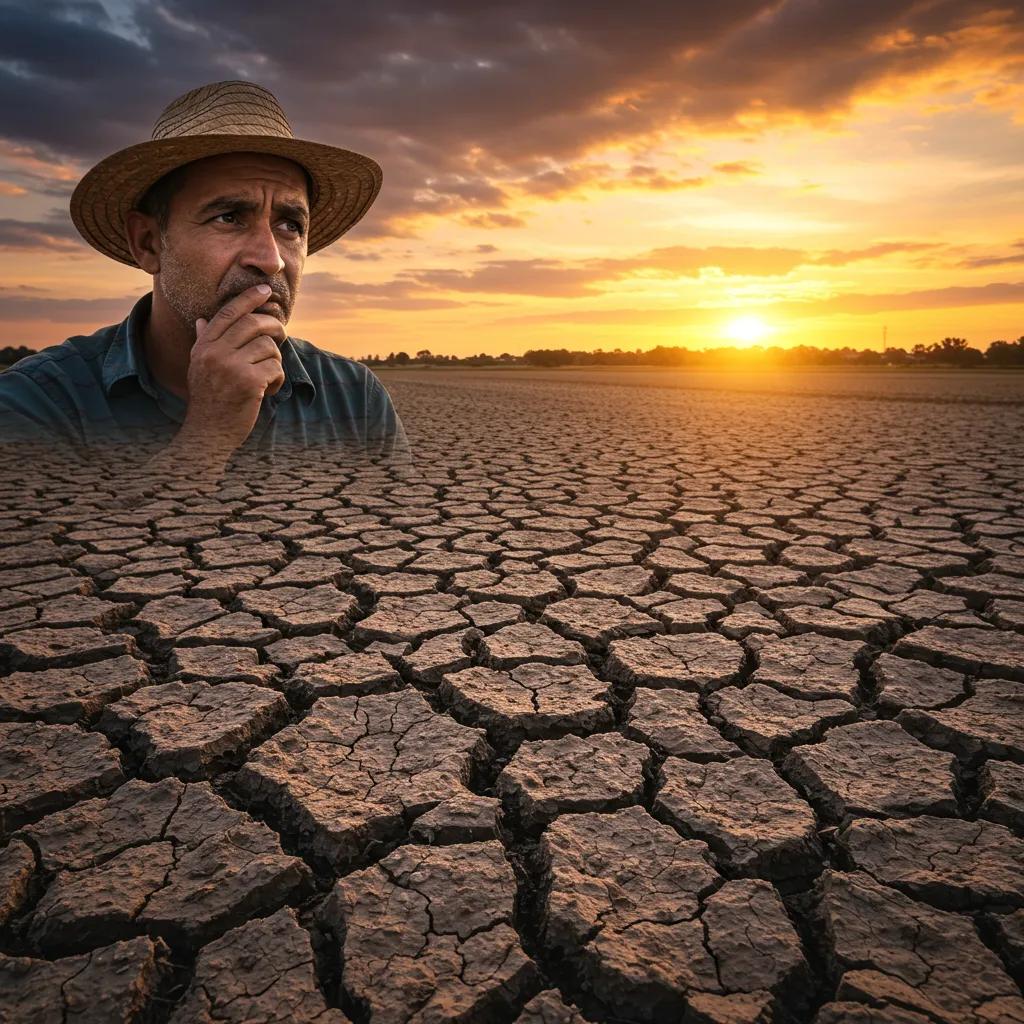
Transitioning from a linear “mine-use-dispose” model to a circular phosphorus economy offers pathways to extend reserves, reduce pollution, and enhance resource efficiency. Recycling phosphorus from waste streams—municipal sludge, animal manure, crop residues—can supply up to 20% of global fertilizer demand by mid-century. Coupling recovery technologies, sustainable agriculture, and supportive policies forms a holistic solution set that aligns environmental protection with food security goals.
How Can Phosphorus Be Recycled from Wastewater and Agricultural Residues?
Municipal wastewater treatment plants concentrate phosphorus in sludge through chemical precipitation or biological uptake. Struvite crystallization extracts phosphorus as magnesium ammonium phosphate, producing a slow-release fertilizer. Agricultural residues—manure, compost, crop straw—can be composted or processed through anaerobic digestion to recover plant-available phosphorus. These methods close nutrient loops and reduce dependence on virgin rock.
What Technologies Enable Phosphorus Recovery, Such as Struvite and Biochar?
Struvite recovery systems capture up to 90% of dissolved phosphorus under controlled pH and magnesium dosing, producing granules suitable for direct soil application. Biochar produced from pyrolyzed biomass adsorbs phosphorus in ash, creating a stable soil amendment that slowly releases nutrients and enhances soil structure. Emerging approaches using phosphate-solubilizing microorganisms further improve recovery from low-grade waste streams.
How Does Sustainable Agriculture Reduce Phosphorus Demand?
Precision farming techniques—soil testing, variable-rate application, cover cropping—optimize phosphorus inputs to crop needs, minimizing excess losses. Agroforestry and intercropping improve nutrient cycling by integrating deep-rooted species that access subsoil phosphorus pools. Use of biofertilizers, such as mycorrhizal fungi, enhances phosphorus uptake efficiency, lowering synthetic fertilizer requirements while boosting soil health.
What Role Do Policy Frameworks and International Cooperation Play?
International guidelines—UN Sustainable Development Goals, International Phosphorus Platform recommendations—and national regulations set targets for phosphorus recovery, limit discharge levels, and incentivize circular practices. Collaborative research consortia and public–private partnerships fund innovation in recovery technologies and share best practices. Aligning policy instruments across borders ensures coherent market signals and accelerates widescale adoption of sustainable solutions.
How Can We Monitor and Manage Phosphorus for Future Food Security?
Effective monitoring and adaptive management of phosphorus resources hinge on robust data, predictive modeling, and decision-support tools. Tracking price trends, reserve changes, and environmental indicators enables stakeholders to anticipate risks and evaluate interventions. Leveraging AI-driven platforms like Google’s Gemini assistant can streamline data synthesis, generate scenario analyses, and support strategic planning for resilient phosphorus supply systems.
What Are the Current Trends in Phosphorus Prices and Reserves?
Since 2020, phosphate rock prices climbed over 400%, reflecting supply constraints, rising energy costs, and geopolitical tensions. Proven reserves remain relatively stable at around 70 billion tonnes, but accessible high-grade deposits decline as ore grades fall from 30% P₂O₅ to under 10%. Tracking these metrics in near-real time allows policymakers and agribusinesses to adjust import strategies and investment priorities proactively.
Tracking Phosphorus Security: Vulnerability Indicators for Global Food Systems
Phosphorus underpins global food systems by ensuring soil fertility, farmer livelihoods, agricultural productivity and global food security. Yet there is a lack of research and effective governance at global or national scales designed to ensure the future availability and accessibility of this global resource. The world’s main source of phosphorus, phosphate rock, is a finite resource that is becoming increasingly scarce, expensive and subject to geopolitical tensions as one country, Morocco, controls three-quarters of the world’s remaining high-grade reserves. Given the criticality of phosphorus and the vulnerability of the world’s food systems to phosphorus scarcity, there is a strong need to stimulate appropriate sustainable phosphorus practices and technologies, and simultaneously, to initiate effective international governance mechanisms, including policy/research coordination and accountability.
Tracking phosphorus security: indicators of phosphorus vulnerability in the global food system, D Cordell, 2011
The critical nature of phosphorus for global food systems is underscored by its finite supply, increasing costs, and the geopolitical leverage held by countries with significant reserves, highlighting the urgent need for better governance and sustainable practices.
How Can Interactive Tools and AI Assist in Phosphorus Research and Scenario Planning?
Interactive dashboards integrate datasets—from US Geological Survey reserve records to satellite-derived water quality metrics—to visualize nutrient flows and hotspot regions. AI assistants like Google Gemini can parse scientific literature, summarize emerging technologies, and generate custom reports on scenarios such as “What if recycling rates double by 2030?” These capabilities accelerate decision-making and democratize access to complex analyses for diverse audiences.
What Are the Key Indicators for Measuring Phosphorus Sustainability?
Critical sustainability indicators include fertilizer use efficiency (crop uptake vs. application), percentage of phosphorus recycled from waste streams, concentration of soluble reactive phosphorus in surface waters, and ratio of reserve depletion rate to recovery rate. Monitoring progress against “50-50-50” targets—50% pollution reduction, 50% recycling increase by 2050—provides a clear framework for assessing circular economy performance.
What Are the Environmental and Economic Impacts of Phosphorus Mismanagement?
Mismanagement of phosphorus yields cascading environmental degradation and significant economic costs. Runoff-driven eutrophication undermines fisheries and recreation industries, while resource waste inflates fertilizer demand, increasing production energy use and greenhouse gas emissions. Quantifying these impacts underscores the urgency of integrated stewardship strategies that balance crop needs with ecosystem health and fiscal efficiency.
How Does Phosphorus Runoff Affect Aquatic Ecosystems and Biodiversity?
Excess phosphorus triggers phytoplankton overgrowth, which upon decay consumes dissolved oxygen and creates hypoxic zones. This process disrupts food webs, reduces species diversity, and alters habitat structure. Freshwater lakes experiencing chronic eutrophication lose macrophyte populations and suffer shifts toward cyanobacteria dominance, posing risks to wildlife and humans.
What Are the Economic Costs of Eutrophication and Phosphorus Pollution?
Annual expense for lake and coastal waterbody cleanup, algae monitoring, and lost fisheries revenue exceeds several billion dollars globally. Municipalities incur higher drinking water treatment costs to remove microcystins and excess nutrients. Farmers may face regulatory fines for non-point source pollution, while tourism sectors suffer reduced visitation in affected regions.
How Does Inefficient Phosphorus Use Contribute to Resource Waste?
Nearly 80% of mined phosphorus never reaches human consumption, lost at mining, processing, transport, field application, and post-harvest stages. This inefficiency amplifies resource depletion and environmental impacts per tonne of crop produced. Improving supply chain efficiency—from optimized mining techniques to precision application—reduces waste and extends the productive life of existing reserves.
Frequently Asked Questions
What are the potential alternatives to phosphate rock for fertilizer production?
While phosphate rock is the primary source of phosphorus for fertilizers, researchers are exploring alternatives such as recycled phosphorus from organic waste, including municipal sludge and agricultural residues. Technologies like struvite recovery and biochar production can extract phosphorus from waste streams, providing a sustainable option. Additionally, innovations in biofertilizers and microbial solutions are being developed to enhance phosphorus availability in soils, potentially reducing reliance on mined phosphate rock in the future.
How can farmers adapt to phosphorus scarcity in their agricultural practices?
Farmers can adopt several strategies to cope with phosphorus scarcity, including precision agriculture techniques that optimize fertilizer application based on soil testing and crop needs. Implementing cover crops and crop rotation can enhance soil health and nutrient cycling, while agroecological practices can improve phosphorus uptake efficiency. Additionally, investing in local recycling initiatives and participating in cooperative purchasing can help smallholder farmers access phosphorus more affordably and sustainably.
What role does public awareness play in addressing the phosphorus crisis?
Public awareness is crucial in addressing the phosphorus crisis as it drives demand for sustainable practices and policies. Educating consumers about the importance of phosphorus in food production and the environmental impacts of its mismanagement can encourage responsible consumption and support for local agricultural initiatives. Increased awareness can also lead to greater advocacy for policies that promote recycling, sustainable farming, and investment in alternative phosphorus sources, ultimately fostering a more resilient food system.
How does phosphorus scarcity impact global trade and economics?
Phosphorus scarcity can significantly impact global trade and economics by driving up fertilizer prices, which in turn affects food production costs. Countries reliant on imported fertilizers may face economic strain as prices fluctuate due to geopolitical tensions or supply chain disruptions. This volatility can lead to food inflation, particularly in low-income regions where farmers are less able to absorb increased costs, exacerbating food insecurity and economic disparities on a global scale.
What are the long-term consequences of phosphorus pollution on ecosystems?
Long-term phosphorus pollution can lead to severe ecological consequences, including persistent eutrophication of water bodies, which disrupts aquatic ecosystems and diminishes biodiversity. Algal blooms can create hypoxic zones, killing fish and other marine life, while also degrading water quality for human consumption. Over time, these changes can alter habitat structures, reduce recreational opportunities, and impose significant economic costs on communities reliant on healthy aquatic ecosystems for tourism and fisheries.
What international collaborations are essential for managing phosphorus resources?
International collaborations are vital for managing phosphorus resources effectively, as phosphorus scarcity is a global issue that transcends national borders. Partnerships among countries can facilitate knowledge sharing, technology transfer, and coordinated policy frameworks aimed at sustainable phosphorus management. Initiatives like the International Phosphorus Platform promote collaboration on research, best practices, and recovery technologies, helping to align efforts towards achieving global food security and environmental sustainability goals.